The Stink of Lateral Oppression

092.1
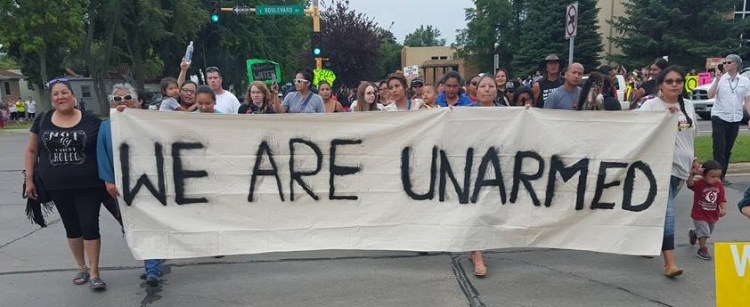
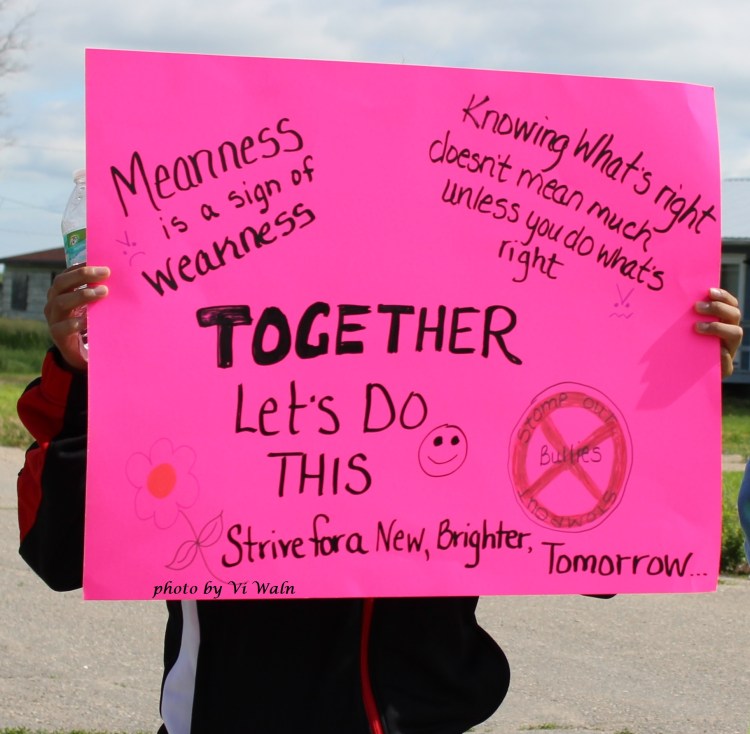
It’s up to us to teach our children how damaging lateral oppression can be to our people. Photo by Vi Waln. 

By Vi Waln

I’m considering writing a short story or a novel. It would be a work of fiction, of course. I’m thinking I might focus on historical fiction, with some contemporary scenarios thrown in to make it a good read.

So, I would like to get some feedback on the ideas that are demanding attention in my writer’s brain. I want to present one for you this week to think about. Of course, this scenario is fictitious.

I want my short story or book to be a best-seller! We all want to leave something of substance to be remembered by. This short story or book would be my lasting contribution to society.

One intent I have is to help people think critically about how lateral oppression affects the choices we make in life. Personal choices often affect other tribal citizens. After all, we’re all related, aren’t we?

There are many novels that include a disclaimer at the beginning of the book. Such as, the following account is in no way intended to resemble any organization, place or thing existing in real life. Furthermore, any likeness to an actual person, either living or deceased, is purely coincidental.

The scenario that keeps playing in my mind goes something like this:

It’s a win for all when a tribal program or tribally chartered organization hires an excellent, ethical tribal citizen to come work for them. A smart, honest employee who works hard is always an asset. This person never misses a day of work. They are not the type to call in sick on the day after payday.

Every single task this conscientious employee is assigned is completed with pride. This employee contributes many good ideas, which are implemented as improvements to the tribal program or tribally chartered entity. The employee exemplifies excellence in the work place.

The tribal program or tribally chartered entity has many other employees. Some are good and others are not so good. One substandard employee, who is sort of related to the director and suffers greatly from a mental illness we call the disease of the mind, decides to put their lateral oppression skills to work.

This employee, with questionable work habits, begins to cause trouble for the top-notch employee. Trouble is stirred because that person works so damn hard they make everyone else look bad or lazy or something! And just because they have a college degree they think they are better than the rest of the workers! It’s not fair to the rest of the staff that the person has a good work ethic. Geez, they are on time every single day!

The mentally ill worker finds ways to manipulate the system so the boss or president will see how the excellent employee just isn’t working out anymore. Use your own imagination to fill in ways the boss or president is manipulated. That is, anyone with even a touch of lateral oppression thinking skills will be able to come up with enough lies to destroy the character of the hard worker.

Several weeks go by. One day the hard-working employee reports for duty and is shocked to find a termination letter in their mailbox or pinned to the company bulletin board. He/she requests to meet with the boss or president. Unfortunately, the top dog is on travel for a week. The now unemployed tribal worker spends the rest of their day wondering how they are going to put food on the table for their 3 children.

Meanwhile, the employee with the diseased mind is thinking about how to create new details on yet another hard worker. It’s not enough that a good tribal worker is pushed out of the organization with the stink of lateral oppression all over them; the mentally ill tribal citizen has to go after someone else.

And that’s the scenario commanding my attention this week. I’m not sure if I should format this scene into a short story or a book. A book would have to contain several scenarios. Unfortunately, the history of some tribal programs or tribally chartered organizations has many examples that could be drawn from.

It’s too bad that most of the instances we know about are not fiction. Lateral oppression is reality for many tribal citizens. Consequently, the people in charge of a tribal program or a tribally chartered entity are often the ones who have mastered the behaviors characteristic of lateral oppression. Their bad example often rubs off on the staff. Sadly, there’s no fiction in that.


IMG_1337

On second thought, a positive topic to build a short story on would be more fun. If I were a Lakota child, I would want to read about good things my people have made history with. Besides, I’m afraid that outlining lateral oppression tactics in written form will encourage young people to perpetuate the cycle instead of breaking it.

It makes sense that the unborn generations of Lakota children would be better off if they had good things to read about. It would be so awesome if our great-grandchildren could go through their entire lives without a clue on how to spread the stink of lateral oppression all over their own relatives.

Tribal Program Serving Infants and Toddlers Regroups After Devastating Fire


LTC
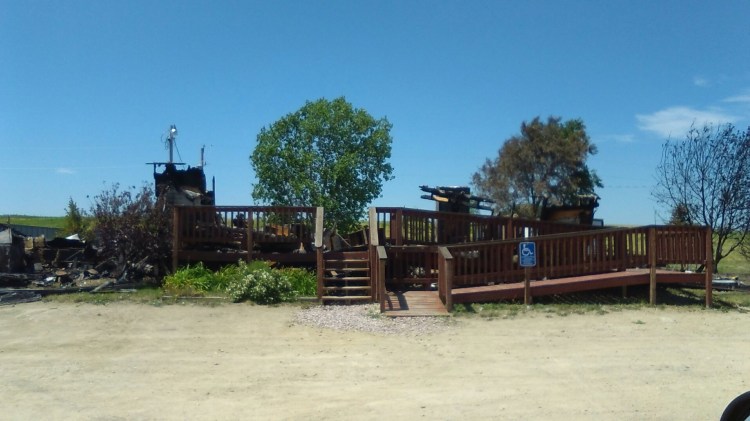
This is all that was left of the Lakota Tiwahe Center after the June 21, 2016 fire.                  Photo by Vi Waln.

By Vi Waln

ROSEBUD – Staff of the Lakota Tiwahe Center (LTC) are working hard to resume services after a fire completely destroyed the building which housed not only their program offices, but also contained the records of Sicangu children served by the program.

The LTC program staff are temporarily located in the basement of the Education Building, west of the RST Alcohol Program. Staff are now making home visits to parents in order to continue serving infants and toddlers. If you haven’t received a visit from your LTC Case Manager, please call 605-747-2833 to speak with an Early Intervention Specialist.

The Lakota Tiwahe Center is funded through an Infants and Toddlers grant from the US Department of Education. Services to local clients, aged birth through 5 years old, were first established in 1990 by the University of South Dakota, Center for Developmental Disabilities. In the early years of the program, screening was provided to infants and toddlers at the Rosebud Hospital.

The Rosebud Sioux Tribe’s Education Department eventually took over the administration of the Infants and Toddlers grant. The Lakota Tiwahe Center was created to provide early intervention assistance to infants and toddlers in need, in order for them to make the transition to school without any interruption of services. There are 6 staff members who serve the children of the Rosebud Sioux Tribe. They include 4 Early Intervention Specialists, an Administrative Assistant and a Family Services Driver.

The main goal of the Lakota Tiwahe Center is to screen every newborn tribal infant at 1 month old. These screenings determine which infants are in need of early intervention services. A child can be screened at any age up to 5 years old. When the screening results indicate a need for services, program staff work to ensure the infant receives the appropriate assistance throughout their first 5 years of life. This is done to provide the child with a smooth transition of continued services upon entering Kindergarten.

“The Lakota Tiwahe Center provides early intervention services to assist infants and toddlers in order for them to have a smooth transition into the local school systems,” stated Cindy Young, Director of the RST Education Department. “We want children to begin school without any interruption of the services they are eligible to receive.”

In the late 1990’s, the program purchased a modular building from the Sicangu Wicoti Awayankapi in order to improve services provided to local children. The building was placed east of the Rosebud Hospital. Unfortunately, on the evening of June 21, 2016, the building went up in flames. Investigators have unofficially ruled the blaze as accidental.

138
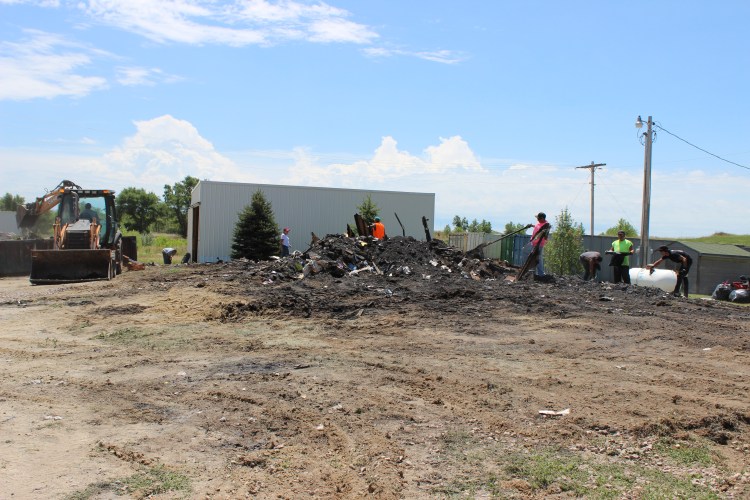
A crew from the Solid Waste Program of the Rosebud Sioux Tribe cleaned up the burn site after officials completed their investigation of the cause of the fire. Photo by Vi Waln.

The Education Department is already making plans to rebuild. A request by the program for a business site was recently approved by the Rosebud Community. The site is located near the intersection of BIA 1 and BIA 9 (Soldier Creek road).

Plans to relocate the Wakanyeja Tiokihe Oti (Lakota Immersion Project) from St. Francis to Rosebud was the initial reason for the site request. A new site was sought because the building in St. Francis isn’t a viable option for the project anymore. However, since the infants and toddler services were displaced by the fire, plans for the site could possibly be expanded to provide space for a new Lakota Tiwahe Center.

It is estimated that approximately 2600 children on the Rosebud Reservation have been screened since the inception of the program. Services are currently being provided to about 100 tribal infants and toddlers residing within the original boundaries of the Rosebud Indian Reservation. Clients in need of services are referred to the Todd County, Winner or White River pre-school programs. Transportation services to specialty clinics are provided by the LTC staff.

Program staff are determined to continue providing quality services to area infants and toddlers. The loss of the building was personal for the staff, as they have established relationships with many families in the area. Lakota Tiwahe Center employees include Bernice Whiting (Manager/Lead Early Intervention Specialist), Debb LeRoy (Administrative Assistant), Early Intervention Specialists Robin Clairmont, Stephanie Gunhammer and Jolene Arcoren. Deloris Kills In Water serves as the Family Services Driver.

150
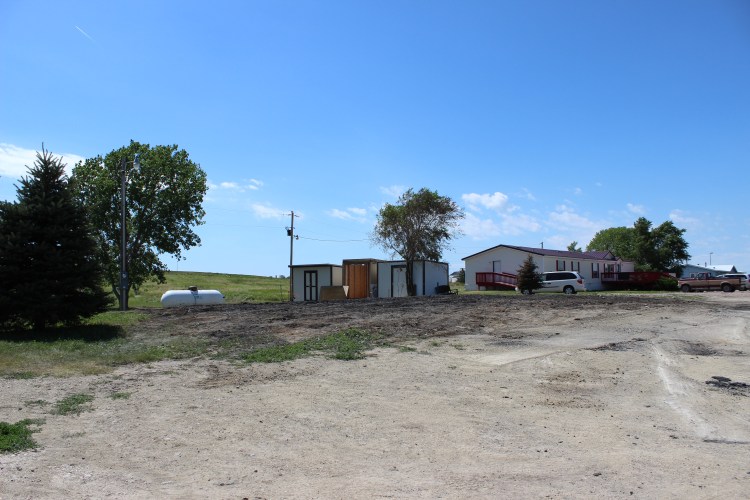
What used to be the site of the Lakota Tiwahe Center is now an empty lot. Photo by Vi Waln.

Local programs have generously donated office equipment to replace some of what was lost in the fire. The LTC staff sends their thanks to the RST WIC program, the Todd County and White River Pre-schools and the South Dakota Birth to Three Program. The Lakota Tiwahe Center and the Education Department appreciates your patience during this time of rebuilding.

Again, LTC program staff are now making home visits to families currently served by the program. If you haven’t received a visit from your Case Manager, please call 605-747-2833 and leave a message with the receptionist.


Many aren’t Living in a Manner Honoring our Ancestral Chiefs

vodka
Local bootleggers often buy gallons of cheap vodka and then pour the drink into smaller recycled bottles to make a profit. Courtesy photo.


By Vi Waln

Methamphetamine use on our homelands is raging out of control. More and more of our young people are becoming hooked on this evil substance. Many of us pray every single day for them to find a way out of their addiction.

We also continue to pray for our relatives lost in alcohol. Heavy drinking is still a big problem in our communities. The cheap malt liquor and vodka sold by unscrupulous bootleggers exacerbates the widespread alcohol abuse.

I bet you know who sells vodka in your area. Most people living in your community know where the bootleggers live. Even little children know which houses the vodka comes from. Asking people in any community where to score a drink will point you in a half dozen directions.

When bootleggers sell alcoholic beverages to residents in their community, they are part of the problem. Many of our people have died because of their alcohol addiction. Bootleggers in our communities have blood on their hands in these deaths, as they were the ones who supplied the alcohol. People who know the difference between right and wrong would not bootleg vodka to their relatives.

I’ve heard some people say that a heavy drinker is going to get alcohol any way they can. This justification has also been voiced by numerous supporters of tribally owned liquor stores. Our people continue to die alcohol-related deaths. Any individual or entity selling alcohol, either legally or illegally, contributes to these deaths.

The first week of the month is generally the busiest time for bootleggers. But some bootleggers manage to stay busy all month, even when people have no money. A concerned citizen contacted me last week about one particular bootlegger conducting illegal business around the clock in Parmelee.

Now, there is more than one person selling alcohol in Parmelee, but I was about a certain bootlegger who allegedly trades alcohol for those Electronic Benefits Transfer (EBT) cards. These cards are issued for the Supplemental Nutrition Assistance Program (SNAP) and other social service programs. My contact also said the bootlegger has a whole stack of these cards and refuses to give them back to the owners. Instead, the bootlegger allegedly provides the cardholders with more alcohol.

It’s fraud to use another person’s EBT card. I’ve already given the name of this bootlegger to the police. I would advise those people who don’t have possession of their EBT card to report it stolen. If you are not the person who was issued the card, it’s against the law for you to use it in grocery stores.

My contact also informed me that the bootlegger regularly transports several of the Supplemental Security Income (SSI) recipients to the Protective Payee Program, which operates out of the Rosebud Sioux Tribe Community Services building. I recommend that the staff working in the program take notice of who is giving clients rides in to get their money. If something isn’t right, the program is responsible for reporting financial abuse.

My contact also said there’s a lot of bullying taking place surrounding alcohol, EBT cards and cash payments from SSI. Apparently, the alleged bootlegger tries to recruit other people to assault those who owe money. The reward for assaulting others is reportedly a half gallon of vodka.

Bootlegging is against the law. Those people who sell alcohol illegally are a disgrace to us all. Our ancestors didn’t go to war for us so we could bootleg cheap booze to our relatives.

Bootleggers make their living selling death. They would do well to get a real job. People say there are no jobs here but I see several being advertised at the tribal office. Or maybe it’s more fun to trade watered down vodka for the peoples’ food. Consequently, many children go hungry every month because of this.

I’ve seen Karma work in ways many wouldn’t expect. God and Tunkasila knows who the bootleggers are. Our universe always works to make sure we get back what we put out. I pray for the day when Karma catches up to the bootleggers to give them back all the hardship they’ve had a hand in inflicting on the families living in our communities.

Don’t be afraid to report the bootleggers and drug dealers in your community to the police. We are tired of illegal substances being used in our homelands. I hear a lot of talk about banishing drug dealers. Maybe it’s time we talk about banishing the bootleggers too.

A large portion of Parmelee’s population are fluent Lakota speakers. Also, there is an annual sun dance held every July in the community where many go to pray and for healing. The majority of people living in the Parmelee area are descended from famous Itancan. Yet, many are not living in a way that honors our ancestral Chiefs.

This problem isn’t only in Parmelee. Our homelands have many active bootleggers. Our children deserve better. Lakota bootleggers should turn their lives around and stop selling death to their relatives.

Lakota Prayer Does Not Discriminate

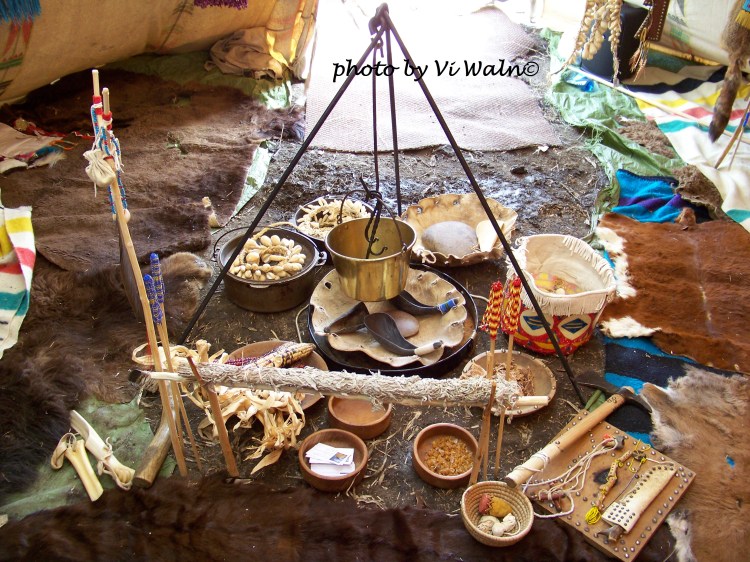
100_4487Our summer ceremonies are now in full swing. This is the time of the year when Lakota people are sacrificing themselves to pray for humanity, as well as Mother Earth and all the living beings of the universe. You will likely find a ceremony to attend most every weekend in the homelands of the Oglala and Sicangu. This is a good thing.

Our ancestors used to gather for one Wiwang Waci. The Oceti Sakowin made their pilgrimage to this large ceremony every summer. Back then, it was said that one person from each Tiospaye was designated to sacrifice under the Tree of Life to pray for all.

Today, there are many sacred circles held across this Turtle Island. Some are closed, while others are open. The closed ceremonies are those where only tribal citizens are allowed to participate. Some of those closed ceremonies have tight security and you must be able to prove tribal affiliation to even be under the arbor. Other closed ceremonies allow non-Indians to support under the arbor, but they can’t dance in the circle.

The open ceremonies generally allow people of all races to take part in the circle. There continues to be controversy surrounding many open circles. Yet, how the ceremony is conducted is completely up to the spiritual intercessor. Whether they are open or closed, each circle is different.

Consequently, there are non-Indians who come to the Lakota homelands to learn and participate in the open circles. This is a good thing if those people have integrity. Everyone should be allowed to pray. However, many of these people learn the ways and then believe they can conduct a ceremony far away from the open circle they first participated in. This isn’t a good thing.

Many of these off-reservation, out-of-state ceremonies were established by disgruntled non-Indians. For example, many non-Indians have had conflict with spiritual intercessors and were asked to leave a Lakota ceremony. These guys are arrogant enough to actually believe they know enough to conduct their own ceremony. Some of them even recruit Lakota men, or men from other tribes, to attend in order to help their circle appear authentic.

Those of us living in Indian Country are aware of how small our world really is. Chances are you are going to eventually see someone you know no matter where you travel on this Turtle Island. Word gets back to us about those ceremonies run by non-Indians. There might also be some bad-mouthing of Lakota medicine people happening in those circles. Be careful what you say because it almost always gets back to the people you are talking about.

When you hear a Lakota medicine man being badmouthed by a non-Indian, you have to realize there are underlying reasons for that person spouting awful words about our holy men. Those people who are saying ugly things about our spiritual people likely messed up somehow while they were here. The negative experiences they bring upon themselves enables their ego to believe they have a right to speak untruths about our spiritual leaders. This is an example of disrespect aimed at all Lakota people.

We also have Lakota people living right here in our homelands who regularly condemn their own medicine people and ceremonies. You will recognize them by the things they say. Many of these local people have never attended a ceremony in their life, yet somehow think they have to condemn those of us who pray in the Lakota way. The negativity they spread about their own people likely stems from the colonization efforts we all suffered at the hands of the missionaries.

There used to be a lot of Catholic priests and nuns living on my reservation. When there were a lot of them here, you generally saw a lot of people attending mass regularly at the Catholic churches. Today, there are 1 or 2 priests on my reservation. Only a handful of Lakota people regularly attend mass on Sunday. It’s interesting to note that the number of Lakota people attending ceremonies increased after the departure of the priests and nuns.

Still, many of the Lakota people who were successfully converted to Christianity continue to believe the ceremonies passed down by our ancestors are not the way to salvation. They believe quite the opposite. This is a fear-based concept introduced in the boarding school era and perpetuated by the missionaries who still reside on our homelands. However, nothing could be further from the truth for those of us who pray at Wiwang Waci. We have experienced firsthand the healing power that comes with Lakota ceremonies, such as Yuwipi, Lowanpi and Wiwang Waci.

I encourage our local Lakota people to attend a Wiwang Waci this summer. Like it or not, you do have an inherent responsibility to your unborn descendants to embrace the way of life our ancestors left for us. I encourage you to clear your mind of all the skewed propaganda preached by the local churches. Don’t be afraid to ask questions about ceremonial protocol. Don’t be afraid to come pray with your Lakota relatives. These are your ceremonies.

Regardless of who attends or what is said about our medicine people, those of us who go to Wiwang Waci, Yuwipi, Lowanpi, Inikaga and other ceremonies will continue to pray for all. We forgive the arrogant non-Indians who badmouth our medicine men. We also forgive our own people who make the choice to fear and condemn their own way of life.

Lakota prayer does not discriminate. Those who need guidance and forgiveness are remembered by all of us at ceremony. Mitakuye Oyasin.

045

Rockin’ On The Rez: Relay For Life


047
Cancer survivors, all wearing purple t-shirts, were joined by family and friends to celebrate life with a survivor walk to open the 9th Annual Relay For Life “Rockin’ On The Rez” held in Mission last week. Photo by Vi Waln.


By Vi Waln

MISSION – Triple digit temperatures didn’t faze Relay For Life goers from enjoying an evening of cancer awareness activities honoring survivors and remembering relatives no longer here.

Originally scheduled for the Todd County High School Track, the Relay For Life event was moved indoors to the Sinte Gleska University Multipurpose building. This was done in consideration for the health of elders, as well as cancer survivors and patients who wanted to participate. The event kicked off with activities aimed at survivors, as well as the brave people fighting a cancer diagnosis.

A cancer survivor is someone who is either free of the disease or currently undergoing treatment. Local cancer survivors, all wearing purple t-shirts, were recognized at a reception. Guest speakers Deb Boyd and Delores Sedlmajer addressed the gathering by offering emotional remarks about their own personal experience with cancer. They joined other cancer survivors in a Celebration of Life walk to officially open the 9th annual event.

Music was provided by M & M Productions of Rosebud, SD. Phyllis White Shield served as the emcee. The American Legion Post 287 presented the colors. Vanessa Sully sang a beautiful rendition of the National Anthem.

A prayer song and the Lakota Flag Song were offered by Travis High Pipe and Abeleen Cissy Stone. Butch Artichoker offered a healing song and a prayer. Tanya Keitlow, American Cancer Society Relay For Life Specialist, also offered remarks.

Several items were donated for a Silent Auction fundraiser. Along with walking all evening, the members of 8 local teams sponsored activities, like musical chairs, bean bag toss and a ring toss, to entertain the children who attended. Several small prizes were awarded to the participants. Food, drinks, candy and cake were also available.

The participating teams included Team Antoine, Team Heinert, Bet’s Brats, Team Waln, TC Community Club, Deb’s Piggies, Todd County Elementary School Team and Colletta’s Tadpoles. Team members walked the hallways and in the gymnasium non-stop during the 7-hour event.  Many braved the heat and walked outside, putting in their laps by walking around the building.

112
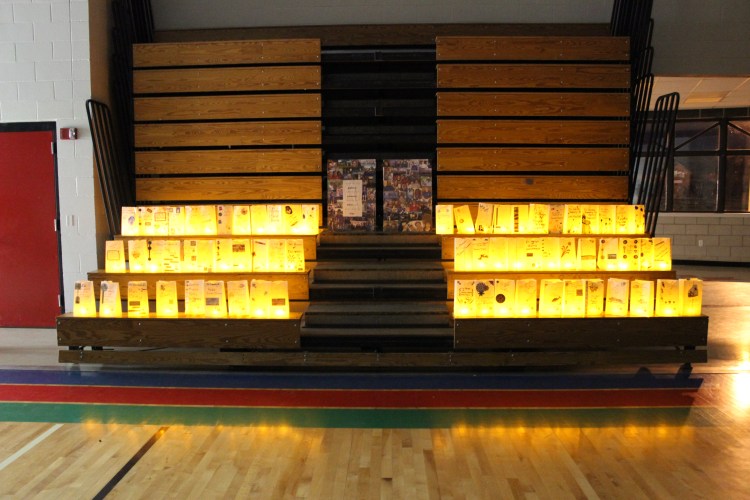
67 white sacks, sponsored in honor of the the living or in memory of the deceased, were decorated for the Luminaria ceremony held at the end of the Relay For Life event. A collage of photos of local cancer survivors (in the center) was also on display. Photo by Vi Waln.

A highlight of the event was the Luminaria Ceremony. Family members and other supporters had the opportunity to sponsor both a Wheel of Life card or a Luminaria light. This is a way to honor the survivors or to remember relatives who’ve lost their battle with cancer. Wheel of Life names were read aloud. White sacks were decorated by the sponsors in a variety of ways and each one displayed the names of many affected by cancer.

The Luminaria ceremony was held near the end of the evening. A candle-like light was placed in each white sack. The lights were turned off and the names on the 67 sacks were read aloud. It was a very moving ceremony.

This event was organized by the Todd County/Rockin’ On The Rez: Relay For Life Committee. Members include: Billie Artichoker, Maureece Heinert, Whitney Meek, Rose Ruff, Casandra Artichoker, Paulette Emery and Meredith Haukaas. The 2017 Todd County Relay for Life Event will be held on June 10, 2017.


A Painless Test Can Save Your Life

ncsd2016


By Vi Waln

Sunday, June 5, 2016 is National Cancer Survivors Day. This day celebrates cancer free folks who’ve survived surgery and/or treatment. Courageous people currently undergoing treatment for any form of cancer are also survivors.


Cancer doesn’t have to be a death sentence. In fact, there are many cancer survivors residing on the Rosebud Reservation. They are living proof that cancer can be beat. Early screening is the key to detecting and surviving cancer. We can beat this disease which has affected so many Lakota people.


I’ve outlived my Ina and my Unci, two women who were vital to me. Both died from colorectal cancer at a young age. When I say I’ve outlived them, I mean they were younger than I am now when they made their journey after being diagnosed with cancer.


Cancer is a disease affecting many American Indian people today. When my Ina passed away, it didn’t seem as though there were that many people dying from colorectal cancer. Ina has been gone 26 years this month. My paternal Unci passed away 50 years ago. I doubt there were many treatment options available to colorectal cancer patients in 1966.


Today, there are screening methods which can detect most cancers in early stages. Treatment can be successful. However, a key to survival is screening. Most colorectal cancer screening methods are painless. But just because there are painless screening methods available doesn’t mean our tribal citizens are taking advantage of them.


According to the American Indian Cancer Foundation, colorectal cancer rates alone are 169% higher among tribal citizens than the rest of the population. Again, a way to lower this rate is to have more people screened. And the only way to rule out cancer is to get screened.


I’ve had cancer screening done because I want to live to see my youngest Takoja graduate from high school. I also want to see my Takoja have their own family; to be able to hold my first great-grandchild in my arms is something I’m looking forward to. So, even though I’m at a higher risk for colorectal cancer due to my family history, I’m going to reduce the possibility of getting cancer by having regular screening. I don’t want cancer to rob me of important events in my life.


Cancer is scary. Many people are afraid of the results that may come back with a screen. There are many of you reading this who are too scared to get screened. But there is nothing to fear in being screened for cancer. You owe it to your family to stay healthy so you can be there for important life events. Early detection increases your chances of surviving cancer.


Local residents have an opportunity this week to get screened for colorectal cancer. The first event will be from 2pm-5pm at the He Dog School on Friday, June 3, 2016. A second event will be held in Rosebud at the Veteran’s Building located on the Fairgrounds from 2pm-5pm on Tuesday, June 7, 2016.


I will continue get regular cancer screenings. I do this because my Ina and Unci weren’t here to experience many important life events with their Takoja. Early detection of cancer can save my life and yours. So, if you want to witness important milestones in your Takoja’s lives, please have a colorectal cancer screen done this week. It is free and painless.


Your family is depending on you to be there for them. Don’t let them down. Get screened today.


Never Doubt the Prayer of an Innocent Child

017
Chairs honoring the memory of the late Friend Hollow Horn Bear and Dora Her Pipe (Brave Bull) are displayed at a meeting between Tribal and Army officials on May 10, 2016. Hollow Horn Bear and Her Pipe were sent to the Carlisle Indian Industrial School where they died. Both children are Sicangu Lakota and are buried in the cemetery in Carlisle, PA.

By Vi Waln

Kudos to the Sicangu Lakota Youth Council. For nearly a year, these young adults have worked passionately on an issue of great importance to us all. Their prayers and determination are what led several tribes to a meeting with the Department of Defense last week. Through the efforts of our young adults, several children buried in a cemetery in Carlisle, Pennsylvania will be disinterred and brought home for reburial.


It all began last summer when students from Rosebud traveled to Washington, DC to attend the White House Tribal Youth Gathering. As the students planned their trip, they laid out an itinerary to include visits to the National Museum of the American Indian and Georgetown University. A trip to be remembered for sure.


Yet, the most memorable stop for them was the cemetery at the former Carlisle Indian Industrial School. Over 10,000 children from 150 tribes were sent to Carlisle. The school was in operation from 1879 through 1918.


Visiting the cemetery was an emotional and spiritual experience for the Lakota youth. Children and teenagers their age, or younger, were forced to leave their homes on the Rosebud to attend the school. Many students who attended Carlisle were separated from their families for years. Nearly 200 students who journeyed to Carlisle never saw their relatives again. Those students died and were buried near the school.


These tribal children were denied a traditional burial ceremony in their own homelands. Today, the cemetery is designated as a National Historical Landmark. It is located next to a busy intersection in downtown Carlisle. The site is visited annually by tourists with no familial ties to the children buried there.

The group from Rosebud offered prayers at the cemetery last summer. They also placed sage and candy on each grave. The spirits of the children seemed happy with the gifts; this was evident through a swarm of fireflies appearing in the cemetery.

We hear all the time about how sacred our children are. The children who are buried in the Carlisle cemetery are also sacred. I believe many of those children did not die not from illnesses as reported by school officials. Most of the children buried at the cemetery in Carlisle died from homesickness and broken hearts. I have no doubt that our Itancan who sent their children to be educated at the boarding school so far away entertained second thoughts about their decision.

Carlisle was opened only 3 years after the Battle of the Little Big Horn. America was still angry about the defeat they suffered in Montana by the Lakota, Cheyenne and Arapaho. I question the historical accounts that state our leaders willingly sent their precious children to be educated at Carlisle.

We have always been a highly spiritual people. I have no doubt those innocent Wakanyeja prayed every single day to go home. Each one of those children had an Ina, an Ate, an Unci and a Lala, as well as an extended Tiospaye, who also prayed for their safe return home. But nearly 200 of those children did not get to make the trip home. As a result, there was never any closure for the families whose children are buried in Carlisle.

It was those prayers of ancestors that touched the minds and hearts of our Sicangu Lakota young people as they walked through that cemetery last summer. Our contemporary youth empathized with the children who were sent to that faraway place at the turn of the century. Today, many of our Lakota students can’t fathom being torn from the love of their families and ordered to attend a boarding school nearly 1,500 miles away from home.

The prayers of our ancestors have manifested through the love of our contemporary children. That is, the Department of Army has promised to financially support the disinterment and return of the remains of our children, as well as the children of other tribes, who are buried in the Carlisle cemetery. It might be a long process, but those children buried in Pennsylvania will eventually be returned to their homelands.

This is an example of why we call our children sacred. Innocence holds great power. It was the minds and hearts of the members of the Sicangu Lakota Youth Council that heard those ancestral prayers uttered over 100 years ago. Our contemporary children have shown great love for their ancestors.

Wopila to the members of our Sicangu Lakota Youth Council, today they are an example of what being a good ancestor really means. They have helped the prayers of our ancestors become reality. The children who were sent away long ago, only to die in an unfamiliar place far away from their families, are coming home.

Do not ever doubt the prayer of an innocent child.


Lakota Elder Games Encourage Healthy Lifestyle

2010 Shinny Game
Lakota people have played the shinny game for many years. The traditional game is a featured event at the Annual Elder games held each May on the Rosebud Reservation.

By Vi Waln

ST. FRANCIS – Tribal citizens of all ages will gather here this week to celebrate 30 years of physical activities geared to encourage local elders to “Stay Active – Stay Healthy.”

The annual event, first held in 1986, welcomes local elders and families to participate in an afternoon of track & field events. The public is welcome to come and support local elders who will participate the following events: 50 yard walk, 100 yard walk, ¼ mile walk, 50 yard run, 100 yard run, ¼ mile run and ¼ mile relay. Field events include horseshoes, softball throw and basketball throw. Hand games, a 3-legged race and sack races will be offered for children.

This event, referred to as the Elder games, will be held at the old track field at St. Francis Indian School. The event was created in 1986 by the Sicangu Elderly Concerns group. These activities are supported entirely by volunteers and local businesses. According to a press release, the event neither solicits nor accepts any public funds whatsoever.

Registration begins at 11:00am on Saturday, May 21, 2016. An opening prayer will be offered at 12:00 noon by Chief Roy Stone, Sr., Elderly Concerns Board Member and Spiritual Leader. Ann Roubideaux, also a member of the Elderly Concerns Board, will give the welcome address.

Track & field events will begin at 12:30pm. Other events will be held as time permits. There will be something for everyone interested in participating. Awards will be given to the following age divisions for both men and women: 50-59, 60-69, 70-79 and 80 & over. It is interesting to note that many former volunteers are now active participants and their children currently serve as volunteers.

A traditional Lakota Shinny game will take place after the track and field events. A meal will also be served. Certificates and medals, along with special recognitions, will be presented immediately following the day’s events.

Everyone over 50 years of age is invited to come out to participate in the track & field events. You are invited to attend this event to support your local elders. People interested in volunteering their time are asked to report to the registration table at 11am on Saturday, May 21.

For more information, please contact Elder Games Committee members Wendell Big Crow at 828-3095, Lynelle Hairy Shirt at 828-7575 or event coordinator Chris Horvath at 856-2547.

Come out and have a good time.

Rebuilders Meet in Spearfish Canyon

IMG_1171
Members of Cohort 7 pause for a photo. Pictured in back row (L-R) are Jayme Davis, Jess Hall, Eric Grey Cloud, BJ Rainbow, Travis Albers, Alayna Eagle Shield, Josh Flute and Nacole Walker. Front Row (L-R) Amber Finley, Janie Schroeder-Herman, CPN Chairman John “Rocky” Barrett, Pearl Walker-Swaney, Vi Waln and Sunshine Carlow.

By Vi Waln

SPEARFISH CANYON – Cohort 7 of the Native Nation Rebuilders recently participated in a 3-day session here, which focused on community assessment and a case study of tribal governance.


The highlight of the session was a presentation by John “Rocky” Barrett, Chairman of the Citizen Potawatomi Nation (CPN). Barrett, who began as CPN Vice-Chairman in 1973, stated the tribe had 2.5 acres of land and $550 in the bank when he initially took office. The tribal headquarters was located in an abandoned mobile home once occupied by the Corp of Engineers.


“I am the 8th generation of my family to be Chairman of my Tribe,” Barrett stated. Today, the CPN owns and operates the First National Bank and Trust. They own $310 million in assets and their bank has a $500-million-dollar lending capital. He attributes the tribe’s economic success to the re-investing of all revenue brought in by their gaming operations.


The Native Nation Rebuilders (NNR) program is sponsored by the Bush Foundation, the Native Governance Center and the Native Nations Institute. The program selects several citizens each year to participate in a cohort. Each cohort is selected from applicants who are members of 23 tribes.


Cohort members come together to learn new ways of strengthening tribal governance. They study innovative tribal governance practices, while strengthening their leadership skills. Each member is passionate about building a brighter future for their respective tribe.


Cohort members, referred to as Rebuilders, must make a 2-year commitment to participate in the program. During their first year, Rebuilders develop their knowledge, skills and connections to effectively lead nation-building efforts. During year 2, Rebuilders develop and implement an action plan within their community to accomplish local nation-building projects.


The Rebuilders of Cohort 7 include 20 citizens from the following tribes:


Standing Rock: Alayna Eagle Shield, Eric Grey Cloud, Nacole Walker, Pearl Walker-Swaney and Sunshine Carlow.


Turtle Mountain Chippewa: Travis Albers, Jayme Davis, BJ Rainbow, Kenneth Davis and Janie Schroeder-Herman.


Mandan, Hidatsa and Arikara: Allan Demarey, David Walker, Jess Hall and Amber Finley.


Fond du Lac Band of Chippewa: Herb Fineday, Jr. and Donna Ennis.


White Earth Band of Ojibwe: Margaret Rousu.


Bois Forte Chippewa: Nicole Pieratos.


Sisseton-Wahpeton Oyate Tribe: Josh Flute.


Rosebud Sioux Tribe: Viola Waln.


The Native Nation Rebuilders project encourages applications from enrolled members of the 23 tribes that share geography with Minnesota, North Dakota and South Dakota. Rebuilders must have a strong interest in tribal governance, commit to attend 4 in-person session and complete assignments between sessions. Applicants must be at least 25 years old by the date of the first session and currently reside in Minnesota, North Dakota, South Dakota or one of the 23 Native nations.


The application period for Cohort 8 will open this summer. Applicants must complete an online application. In addition, references from 2 non-relatives who have knowledge of the applicant’s values, character and goals are also required.


For more information on the Rebuilders Fellowship, visit the Native Nation Rebuilders