SWA seeking to increase rent

In a recent Rosebud tribal council meeting, SWA officials discussed increasing rent on Rosebud’s units, however no council action was taken on the SWA proposal.

Listen to the discussion here https://tinyurl.com/3waedjv3

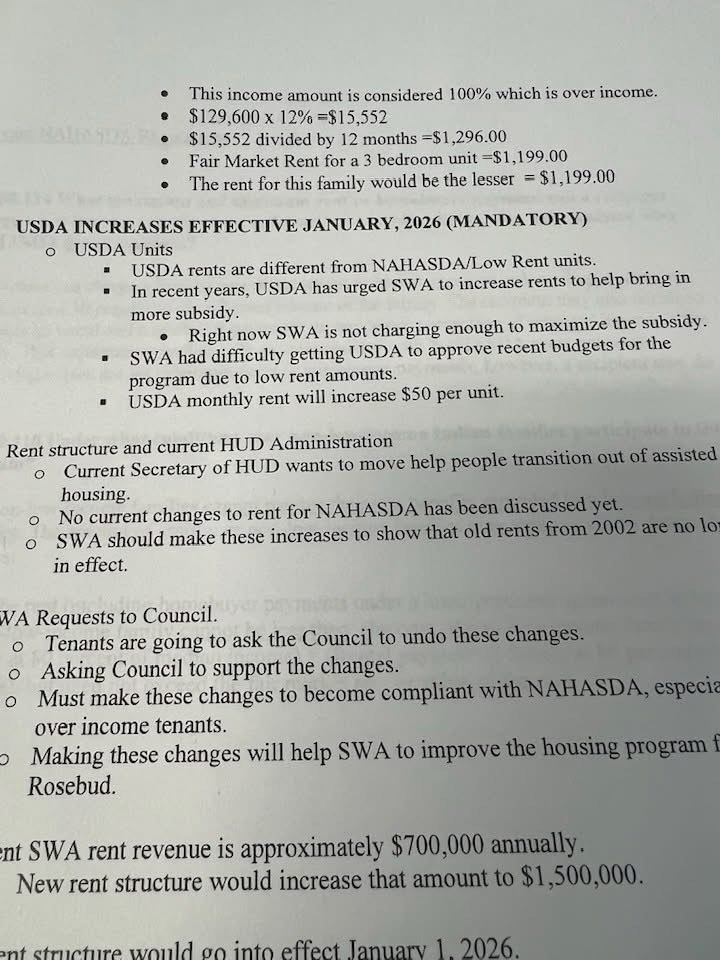
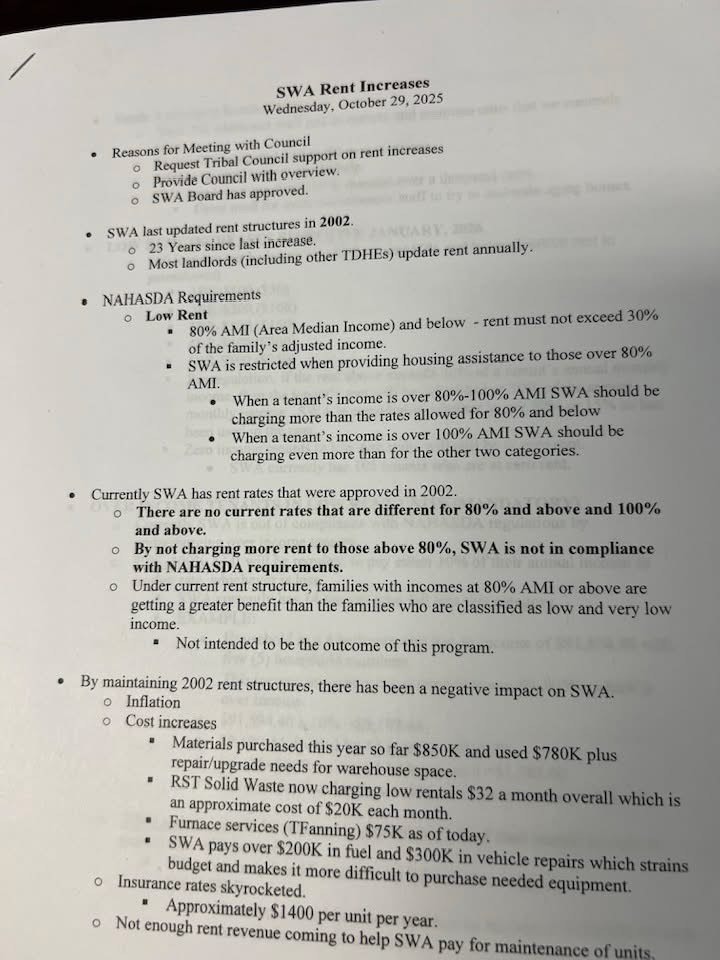
A brief summary of the discussion was: the current rental rates at Sicangu Wicoti Awayankape (SWA) charges tenants was approved in 2002, rent has not increased since. Some tenants have not paid rent for up to 10 years or more, one delinquency is $30,000 owed in back rent. There are no current rates that are different for over income tenants at 80% to 100% by not charging more rent to those over income tenants, SWA is not in compliance with the Native American Housing Assistance and Self-Determination Act of 1996 (NAHSDA) requirements because of current rental rates.

The higher rent increases being proposed by SWA would be effective January 1, 2026. Rent would increase at least $50 per bedroom for United States Department of Agriculture (USDA) units. The USDA rents are different from the NAHSDA or low rent units. In recent years USDA has urged SWA to increase rents to help bring it bring in more subsidy funding. SWA is currently not charging enough to maximize the subsidy to maintain housing repairs. SWA had difficulty getting USDA to approve recent budgets for the program due to low rent collection amounts USDA monthly rent will increase $50 per bedroom, per unit. For a one bedroom it’s $50 it would increase to $100 a two bedroom is currently $100 it would increase to $200, a 3 bedroom is currently $150 and will increase to $300. The four bedroom is currently $200; it would increase to $400. The 5 bedrooms are now at $250 and they would increase to $500. Also, per regulations if the rent above exceeds 30% of a tenant’s annual monthly income than the tenant’s rent will be calculated at 30% of the annual monthly income. SWA is considering whether to use 30 or 15% as that’s what has been used in the past. Zero income tenants in low rent units will still be at zero rent. SWA currently has 105 tenants paying zero rent.

Currently, SWA is also out of compliance with HUD regulations by under charging over income tenants. The SWA Board of Commissioners has not taken action on the proposal.For more information on rent increases call SWA at 605-747-2203

Feed your relatives

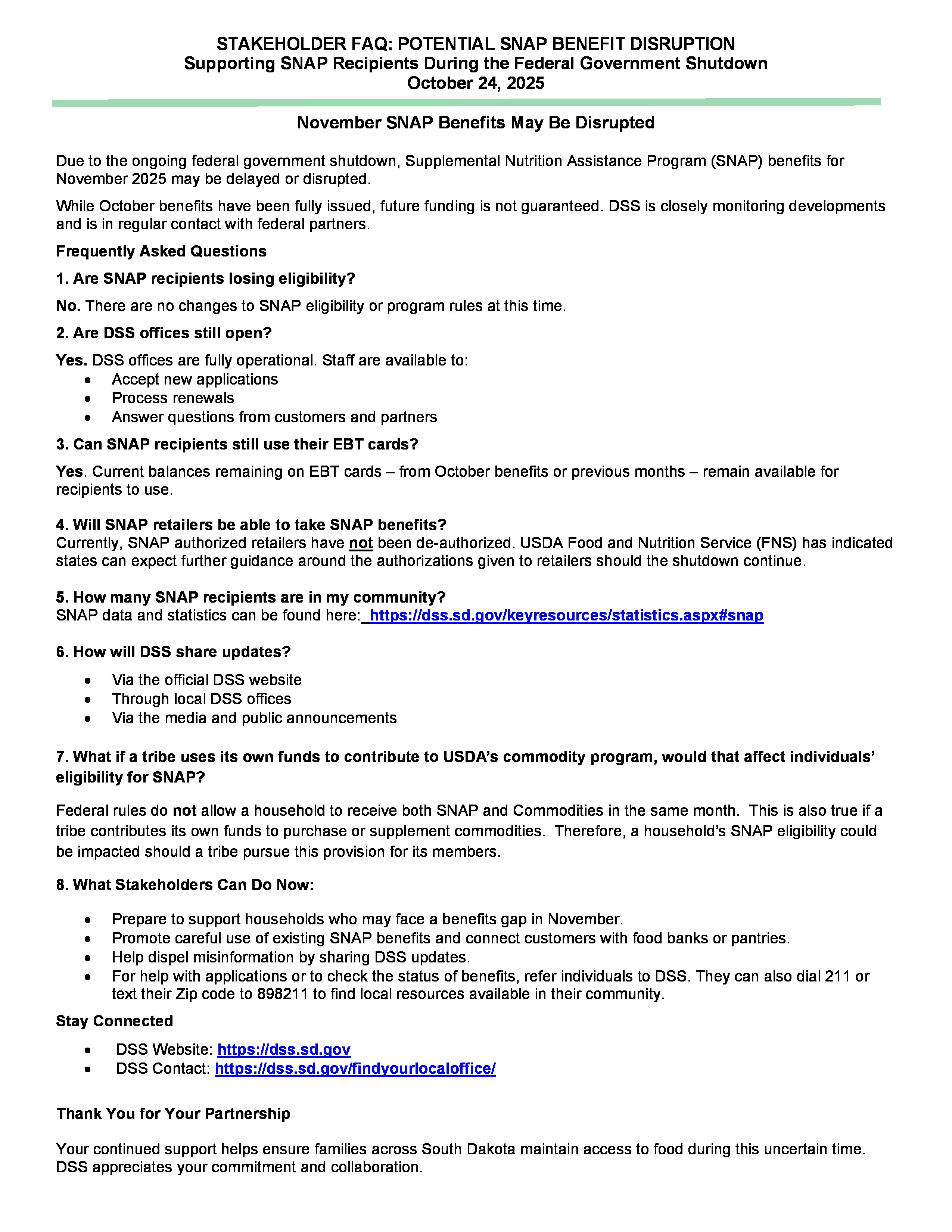
As most of us know by now, the federal government shut down on October 1, 2025 at midnight. This affects the supplemental nutrition assistance program (SNAP) or Electronic Benefits Transfer (EBT) that many of our families depend on this program has been frozen for November. On October 16, 2025 USDA secretary Brooke Rollins stated “the SNAP program would run out of funds in two weeks if the shutdown continued” Rollins issued a statement that the USDA directed states to pause sending November files to their electronic benefits transfer or EBT vendors until further notice. Several states have issued public notices that they will not be able to issue SNAP benefits on November 1, unless the federal government reopens. Also, the USDA contingency plans could potentially extend funding beyond October but the administration will not allow it. This lack of funds will also hurt our local grocery stores and the overall economy. South Dakota has posted a notice about SNAP disruption on their website at https://dss.sd.gov/docs/Stakeholder_FAQ_SNAP_Disruption.pdf

Newsweek reported on Friday that House Democratic leader Hakeem Jeffries said that “the administration’s refusal to extend the benefit shows a lack of concern for struggling families, the federal government has the resources to ensure that not a single American goes hungry on November 1, Republicans are trying to weaponize hunger and that is unconscionable.”

In September 2025 many families received SNAP or EBT on the Rosebud Reservation, with the total number of households receiving SNAP assistance was 2,042. The total number of folks receiving SNAP benefits was 4,565 including 2,293 adults and 2,272 children with a total cost of $1,006,928. In Oglala Lakota County for the month of September 2025, 2,535 families received SNAP benefits. The total number of people who received benefits was 5,840 with 3,065 adults and 2,275 children receiving benefits with a total cost of $1,256,909. In Pennington County 5,251 households received September EBT benefits with 9,990 people served including 5,559 adults and 4,431 children the total cost being $1,980,037. https://dss.sd.gov/keyresources/statistics.aspx#snap

The 1868 treaty of Fort Laramie guaranteed rations for Native Americans living on reservations. the people would gather at certain areas to receive their rations from the Bureau of Indian Affairs, but over time the distribution of these food rations became controversial due to issues like some food was unfit to eat or the food would be used to pressure Indigenous peoples to move onto reservations, also the long-term effects of dependency on government rations undermined tribal authority, while disrupting traditional food systems. The modern food distribution programs in addition to SNAP are the commodity program which provides food from the USDA to low-income households on or near reservations. Before we were put on reservations, our people made sure no one in camp went hungry. This was one of our values of being generous and feeding children and elders, and all the other people who lived in the camp. This is one of our values. We’re going have to go back to practicing generosity.

I was glad to see there are already people in communities on Rosebud who are feeding the public in areas where people gather. Also, working people and others with resources should be generous and feed their relatives. Feeding South Dakota comes to our reservation every month, but it’s uncertain as to how long their resources will hold out to feed everyone who utilizes this service it’s time for us, as Lakota people, to walk our talk and display our Lakota value of generosity by making sure that none of our people, especially our children and elders go hungry. Some tribes are processing their buffalo and distributing to the people. Sicangu Co has been doing distribution of buffalo meat to the public through their farmers markets for the past summer. They’ve also handed out free produce to people, but I’m not sure how long this service will continue. Our tribes do have buffalo herds and they might have to tap the herds and harvest more to help the people to have enough food. Please make sure that your relatives do not go hungry.

SicanguCo hosts 2025 Sicangu Food Summit

MISSION – The 3rd Annual Sicangu Food Summit was an educational event attended by local residents to celebrate our traditional foodways and strengthen our local food system.

Attendees spent the event, held on Indigenous Peoples Day learning, connecting and celebrating with hands-on workshops and local speakers. This year’s sessions include topics like seed saving, poultry production, traditional plant teas, and soil biodiversity, with a keynote from Victor Makes Room for Them, Jr.

Participants also enjoyed a locally sourced meal of buffalo meatballs prepared by Randee’s Kitchen.

This annual event was made possible thanks to the dedication of our planning team our SicanguCo members staff including Michelle Haukaas, Echo Clairmont, Lydia Yellow Hawk, Suni Wooden Knife, Sara Fielder, Victoria Contreras, and Karen Moore. As well as the generous support of our partners: Sanford Health (returning as a sponsor for a second year), University of South Dakota Department of Sustainability and Environment (who sponsored the community meal), Farm Sanctuary and the Presbyterian Hunger Program (providing grant support for this year’s summit).

Also, you are invited to come enjoy a community meal next month as we celebrate the WoLakota Buffalo range. It’s hard to believe but the WoLakota Buffalo range is celebrating 5 years since the return of the first bison to the land and much of what we talked about five years ago is coming to be such as improved grassland health, increased biodiversity, use engagement, as well as cultural activities and community access to bison meat.

Everyone is welcome to join us for a community meal and gathering to honor this milestone we will also be offering UTV rides out to view the 1,100 herd. Bring your family, friends and appetite. Keep an eye on our Facebook page at SicanguCo for more details as the event gets closer but for now just mark your calendars for Saturday, November 8 at the WoLakota Buffalo range. Our food sovereignty team will also be on site offering free WoLakota bison meat to community members through the Relatives Feeding Relatives program. Recently, our Food Sovereignty staff distributed nearly 1000 pounds of bison meat to roughly 120 families in only one hour at a local community distribution,

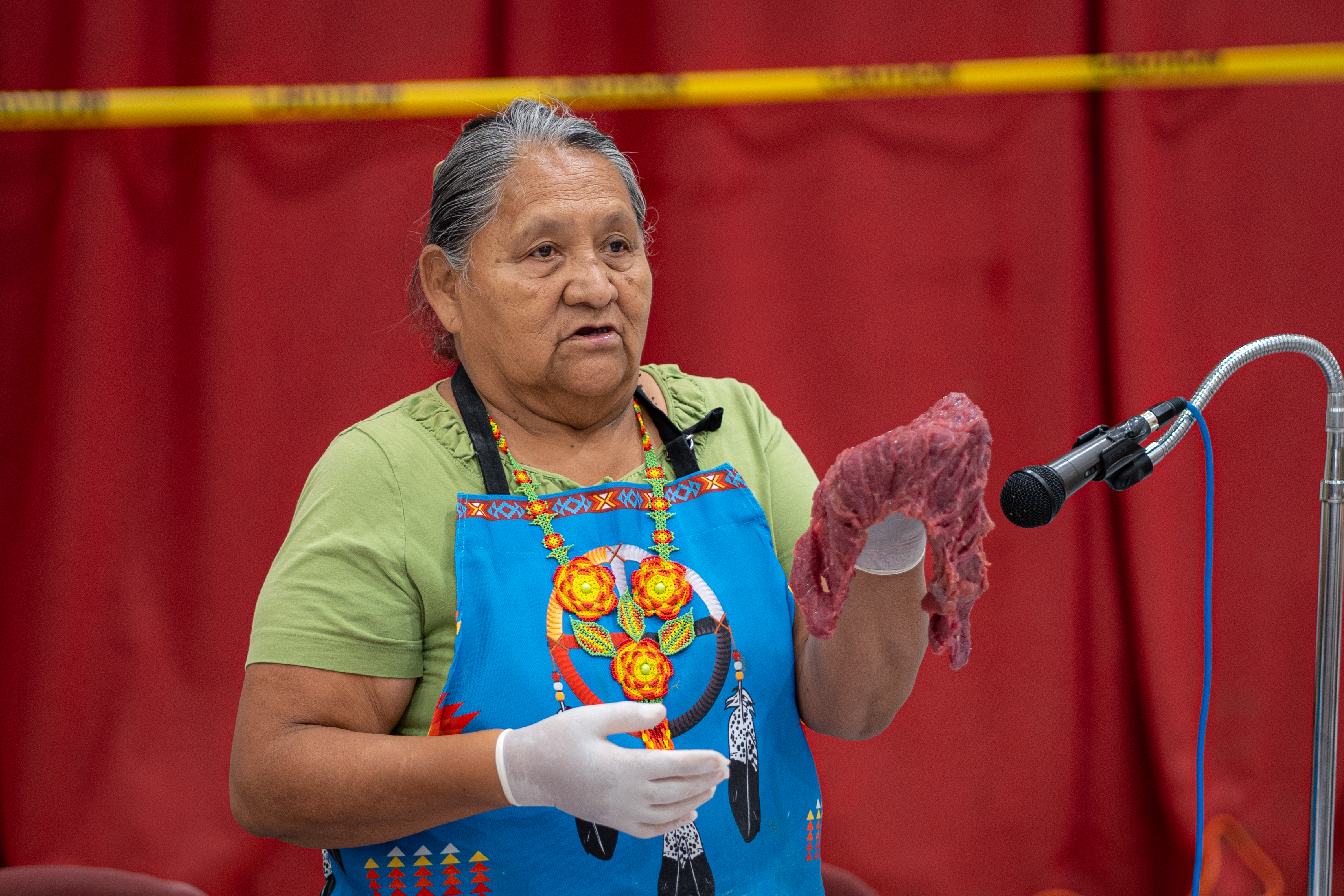
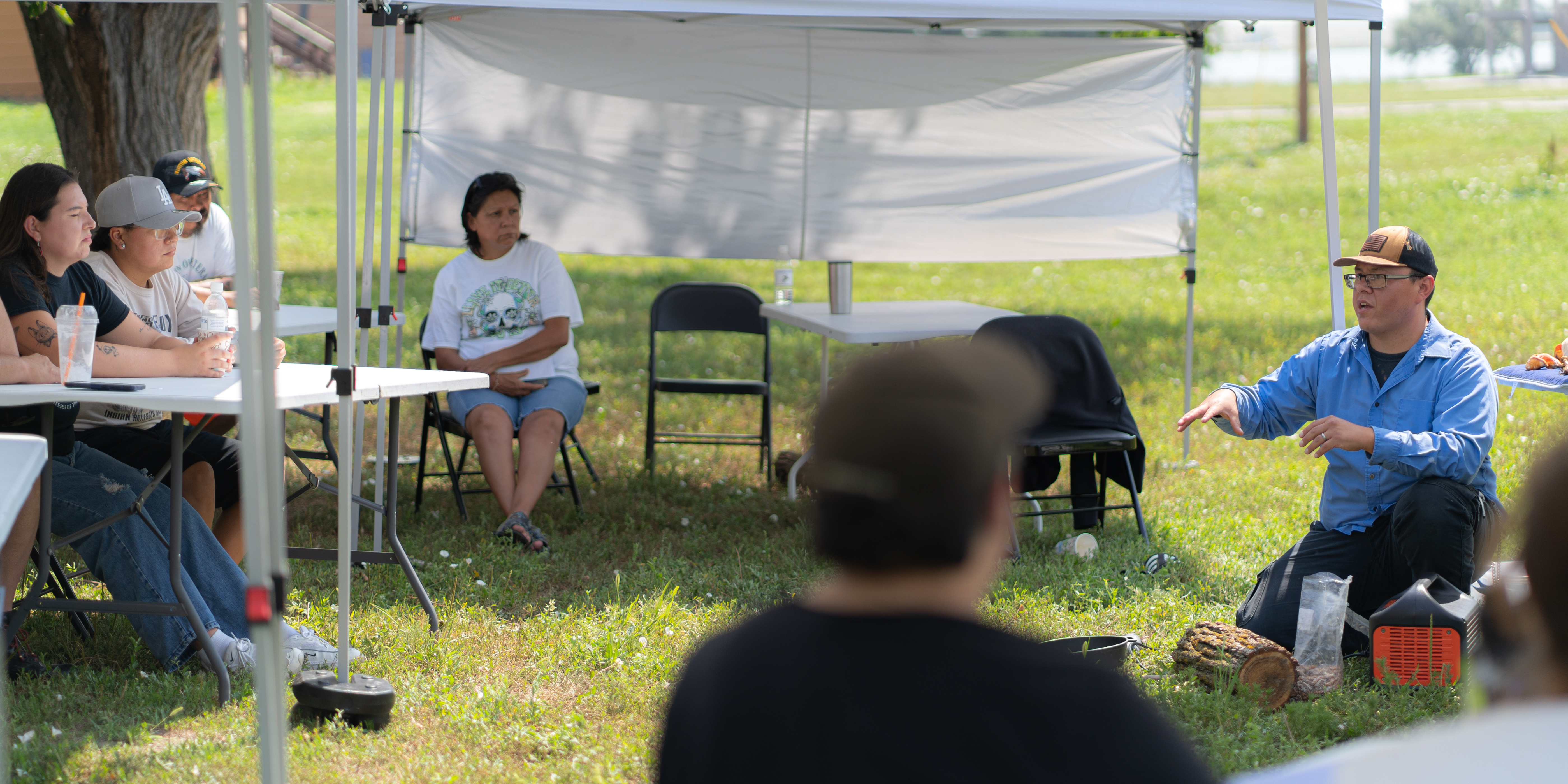
Sharon Red Bear gives a demonstration on how to make Bapa or jerky. Photo courtesy of SicanguCo.
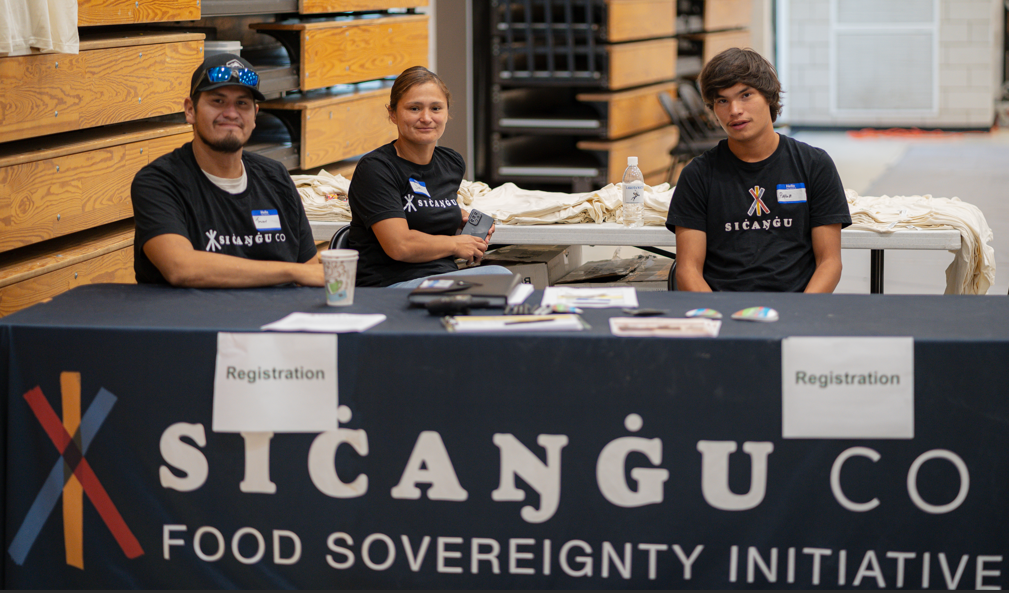
Food Sovereignty Staff helped make the Food Summit a success. Photo courtesy of SicanguCo.
Some sessions were held outdoors. Photo courtesy of SicanguCo.
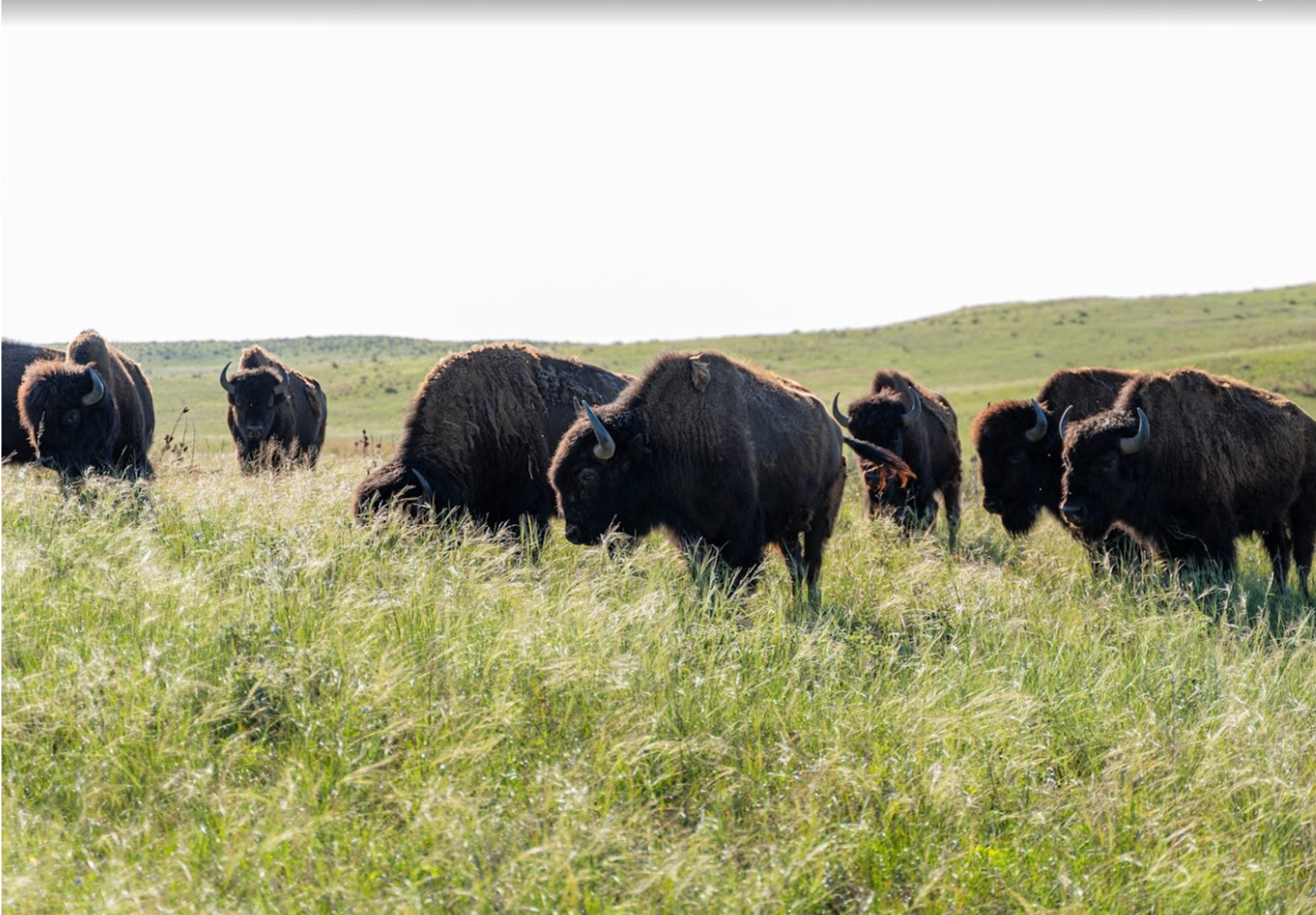
The bison herd at the Wolakota buffalo ranch in southern Todd County. Photo courtesy of SicanguCo.
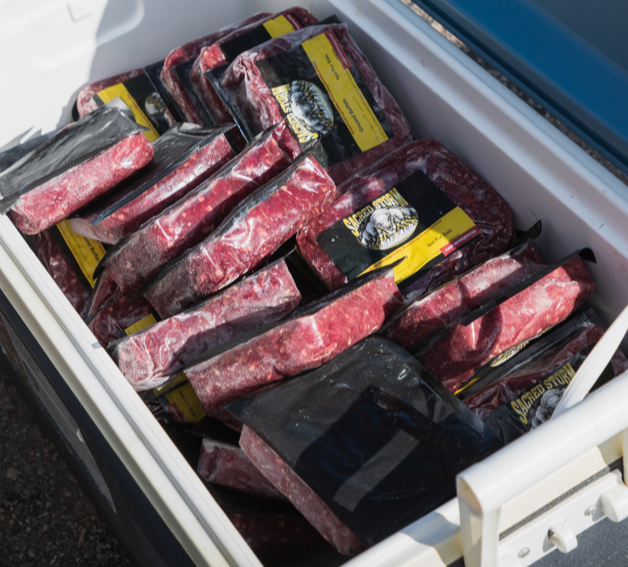
SicanguCo distributed nearly 1000 pounds of bison meat to roughly 120 families at a local community distribution. Photo courtesy of SicanguCo

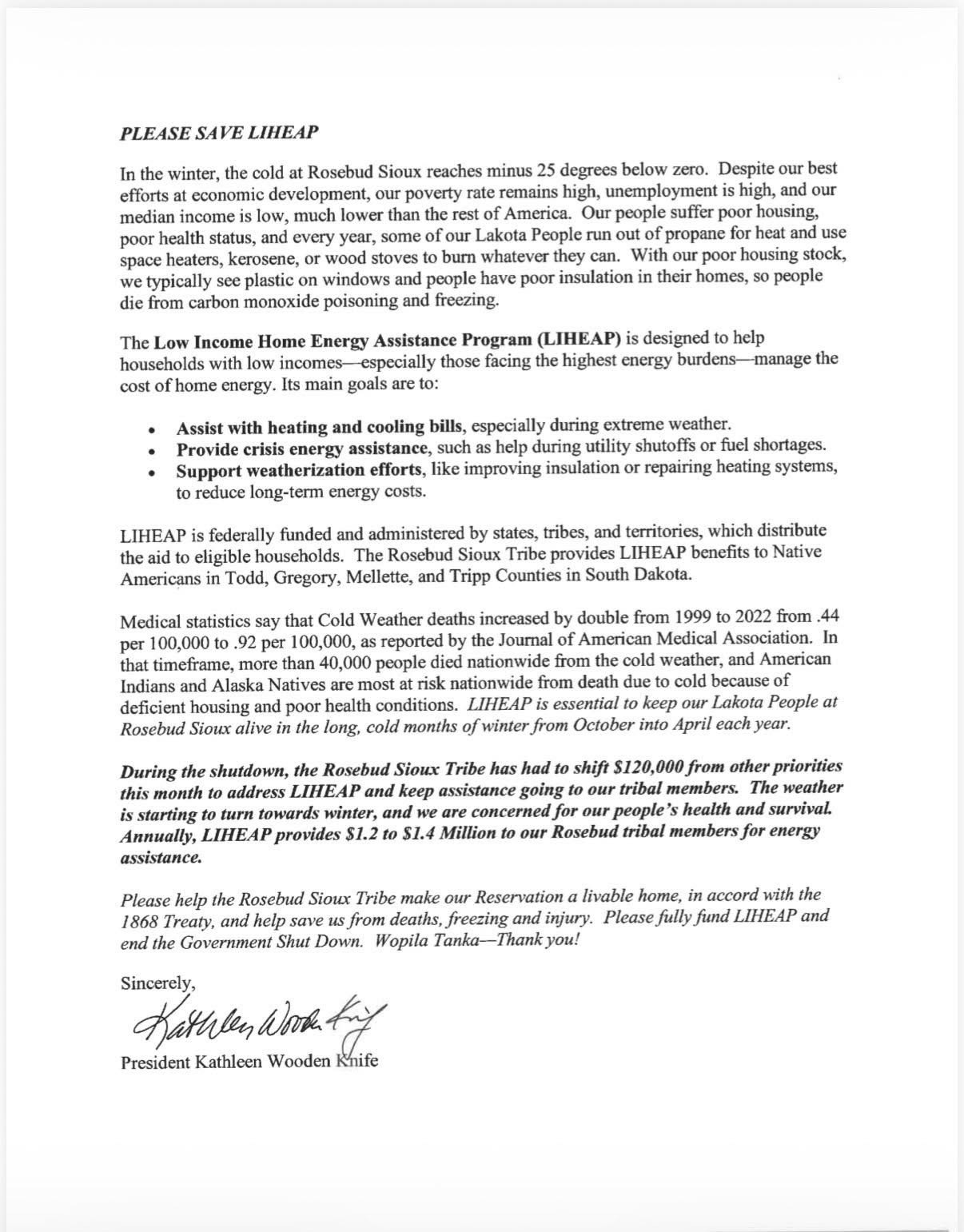
RST President asks Congress to save SNAP, WIC and LIHEAP

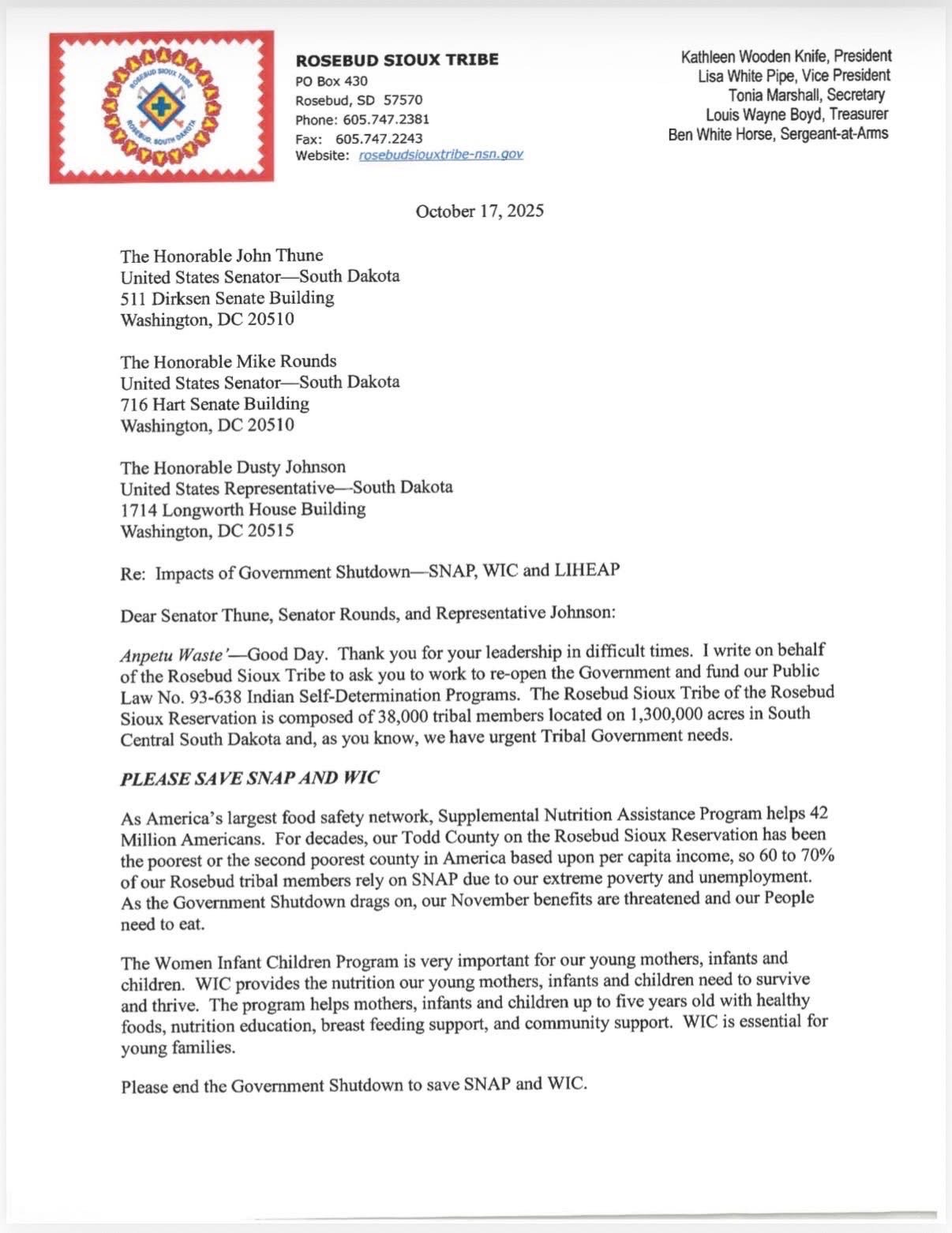
ROSEBUD – Recently, RST President Kathleen Wooden Knife wrote to the SD Congression Delegation urging them to reopen the government and to save SNAP, WIC and LIHEAP.

The October 17 letter also requested the RST PL 93-638 Indian self-determination programs be funded.

Excerpts of the letter are included in the following paragraphs.

“The Rosebud Sioux Tribe of the Rosebud reservation is composed of 38,000 tribal members located on 1,300,000 acres of land in South Central South Dakota and as you know we have urgent tribal government needs.

PLEASE SAVE SNAP AND WIC

As America’s largest food safety network SNAP helps 42 million Americans. For decades, Todd County on the Rosebud reservation has been the poorest or the second poorest county in America based upon per capita income. So, sixty to 70% of the Rosebud tribal members rely on SNAP due to extreme poverty,” President Wooden Knife wrote. She also requested for LIHEAP to be funded “The cold at Rosebud reaches -25° and despite our best efforts at economic development our poverty rate remains high.

“Unemployment is high, and our median income is low, much lower than the rest of America our people suffer poor housing, poor health status, and every year some of our local to people run out of propane for heat and use space heaters, kerosene, or wood stoves to burn whatever they can.

With our poor housing stock, we typically see plastic on windows and people have poor insulation in their homes so some people die from carbon monoxide poisoning and freezing. The low-income home energy assistance program is designed to help households with low incomes, especially those facing the highest energy burdens and manage the cost of home energy.

“LIHEAP’s main goals are to assist with heating and cooling bills, especially during extreme weather, provide crisis energy assistance, such as help to avoid power shut offs, fuel shortages, support weatherization efforts like improving insulation or repairing heating systems to reduce long-term energy cost.” She continued.

“American Indians and Alaska natives are most at risk nationwide from death due to the cold because of deficient housing and poor health conditions. LIHEAP is essential to keep our local people at Rosebud alive in the long cold winter months from October into April each year.

“Due to the shutdown the Rosebud Sioux Tribe has had to shift $120,000 from other priorities this month to address LIHEAP and keep assistance going to our Tribal members, the weather is starting to turn towards winter and we are concerned for peoples’ health and survival annually. LIHEAP provides 1.2 to 1.400,000 to our Rosebud tribal members for energy assistance. Please help the rope to try make our reservation a livable place in accordance with the 1868 treaty and help save a service help save us from freezing and injury please fully fund LIHEAP and end the government shut down. Wopila Tanka. Thank you.  

MMIW

To acknowledge October as domestic violence awareness month, I’d like to address an issue that we are all familiar with and that many of us have been affected by. That is, the missing and murdered indigenous women, men, people and children. Sadly, it’s not just women who are missing and/or murdered, it’s all of our relatives who can be MMIW or MMIP. Many of us have relatives who were murdered by their romantic partner, husband, or boyfriend. Now, many of those men or women convicted of murder are serving long sentences in prison where they can’t hurt any other people. Our prayers go out to all the parents and other relatives who are still mourning these ladies and other people who were brutally murdered by their companions or others. 


According to the South Dakota missing persons websitehttps://missingpersons.sd.gov/ there are approximately 121people reported missing, in addition there also are between 60 to 80 missing juvenile cases at any given time. On September 30, 2025 in the National Crime Information Center (NCIC) database, it was stated there were 62 active missing juveniles listed, also there were 26 active endangered missing persons in the NCIC, there were also 6 voluntary missing persons listed in the NCIC. There were also 4 active missing disabled persons in NCIC and there were 20 active other missing persons in NCIC. 


Consequently, on May 31, 2024 the U.S. Attorney’s Office issued a press release regarding the high rates of indigenous persons reported missing. The press release stated in part: “the U.S. Attorney’s Office renews its commitment to work with federal, tribal, state, and local law enforcement partners to respond to the crisis of violence and abuse in our tribal communities with the urgency these matters demand.”https://tinyurl.com/hu5yerk. However, not much is being done as our people are still disappearing. If you have information about any missing person please contact law enforcement.


Also “In 2006, the FBI began its “Cold Case Initiative” the Department and the FBI are working together to address “violations of criminal civil rights statutes . . . result[ing] in death” that “occurred not later than December 31, 1979.” Toward that end, each of the 56 FBI field offices searched their “cold case files” to identify incidents which might be ripe for investigation. Since February of 2007, the FBI and the Division have partnered with the National Association for the Advancement of Colored People (NAACP), the Southern Poverty Law Center (SPLC), and the National Urban League to identify additional cases for investigation and to solicit their help.” As of press time there are 138 open cases listed on the cold case website. https://www.justice.gov/crt/cold-case-initiative


In addition, some of our people travel to areas such as Rapid City, Pierre, Sioux Falls and Aberdeen to find jobs but sometimes they get in with the wrong people and some of them wind up on the South Dakota missing person site so I want to encourage all of our people who go to these larger areas in our state or other cities across the United States to please be careful. There’s a lot of dangerous people out there and we don’t want any of you to get hurt. Please be aware of your surroundings be aware of who you are hanging out with please be safe because your family loves you and none of us want anything bad to happen to you. Another thing I’d like to mention today are the indigenous people who have also going missing due to the actions of the Department of Homeland Security (DHS) or the immigration and custom enforcement (ICE) agents that are coming into many areas and cities and brutally take people to lock them up or deport them. Many of these people are people of color and some of them go missing after they are taken by ICE agents, such as the detainees recently reportedly unaccounted for in the so called “Alligator Alcatraz.”

Emotional intelligence

No doubt emotional intelligence is more rare than book smarts, but my experience says it is actually more important in the making of a leader. You just can’t ignore it.”   –Jack Welch


The ability to understand and manage your own emotions, and those of others is called emotional intelligence, it involves a set of skills, including self-awareness self-management, social awareness or empathy and relationship management. Higher emotional intelligence can lead to better stress management,stronger relationships, improve job performance, and greater access to various aspects of life The components of emotional intelligence include self-awareness or the ability to recognize your own emotions, strengths, weaknesses, and how they affect others. Self-management involves controlling disruptive impulses, and emotions and adapting to changing circumstances empathy is the understanding and sharing the feelings needs and viewpoints of others and recognizing nonverbal signals relationship management is building and maintaining positive relationships, managing conflict, community, communicating effectively and inspiring others. Emotional intelligence is something we should be teaching all of our children. We should begin in grade school and teach our children how to manage their emotions. We should also teach our children how to process their anger in a healthy manner; angry people are not emotionally intelligent folks who engage in lateral violence are also not emotionally intelligent.i The majority of our people in prison today are there because they did not practice emotional intelligence.


The way people behave will often show you whether they have emotional intelligence or not. Managing our emotions is the most important thing we can do for ourselves. Many of us witness people projecting their anger on others inappropriately. We would all do well to find ways to process our anger inhealthy ways. If you are the type of person who says don’t get me mad because I don’t know what I’ll do, that means to me that you have a short fuse and if I say something that triggers you, you’re going to get very mad and defend yourself when you don’t have any reason to defend yourself you’re just expressing your anger in an inappropriate way we all see this on the reservation, people arguing in public or getting triggered by something you say, especially if it’s true you’ve heard the saying truth hurts. Some of us respond to that by flying into a rage and either chewing someone out inappropriately or assaulting someone some people have gone to jail because they couldn’t control their emotions. They didn’t know how to use emotional intelligence to their advantage, We all need to find ways to process our anger in a healthy way, as individuals we usually are aware of what triggers us, so one of the most important things you can do is to know yourself and what upsets you and figure out a more appropriate way to respond or react and practice ways to do it in a healthier way. It’s no one’s responsibility except yours to understand your emotions and heal your triggers and to learn how emotional intelligence can help you we all have cell phones or computers and access to the Internet and there is a lot of information out there, so do your research aboutlateral violence and emotional intelligence and find ways to process your anger in a good way not in ways that are inappropriate or will hurt someone.


Some of us can admit we’ve engaged in lateral violence – I admit I have. We can heal by first changing our thoughts. Can any of you admit to being mean in your lifetime? It’s very courageous to engage in self-refection to change your life.  When we aren’t very nice and not being very emotionally intelligent it might be hard to admit to ourselves, but there’s always time to change. We can always change our lives: change the way you think and change the way you behave. Start by changing the way you think and then change the way you express your negative emotions you might find you’ll be a lot happier and a lot less stressed when you can be more emotionally intelligent.

RST Summary of affects of Federal Shut down on tribal programs

The Rosebud Sioux Tribe Office of Legislative Affairs Director has compiled a summary of how the federal government shut down has affected programs the tribe depends on. As of October 8, 2025, the United States federal government remains shut down for the eighth consecutive day following Congress’s failure to approve a federal spending bill or temporary funding extension, known as a Continuing Resolution (CR). This government shutdown has created significant disruptions across the country, with wide-ranging implications for Tribal Nations, federal employees, and essential government programs that directly serve Tribal communities.

The shutdown began at 12:01 a.m. Eastern Time on October 1, 2025, when existing federal funding expired.

The deadlock stems from deep partisan divisions between Republican leadership, including President Donald Trump and Speaker Mike Johnson, and Democratic leaders, including Senate Majority Leader Chuck Schumer and House Minority Leader Hakeem Jeffries.

As of October 7, Congress remains at a legislative impasse.

The Senate has failed multiple times to pass competing short-term funding resolutions.

The Republican-led proposal sought to fund the government until November 21, 2025, excluding

health-care subsidy extensions. The Democratic proposal tied continued government operations to provisions protecting federal health-care subsidies and child care support, which Republicans oppose.

The House of Representatives continues to align with former President Donald Trump’s position,

demanding significant cuts to discretionary domestic programs and the elimination of clean energy and immigration funding before reopening the government.

Negotiations between the White House and congressional leadership stalled late Monday night, with no clear path forward. This deadlock has created a policy vacuum affecting every major department, including Interior, Transportation, Health and Human Services, Housing and Urban Development, and Agriculture — all of which sustain key tribal contracts and compacted programs.

Federal Developments – October 6 and 7, 2025

October 6 (Day 6):

White House Labor Warnings: Federal agencies began formal layoff preparations (known as “RIF” notices). These would apply to programs that lack authority to continue without appropriations, a step not taken since the 2013 shutdown.

Transportation Safety Impact: The Hollywood Burbank Airport air traffic control tower was unstaffed for roughly six hours, causing flight delays and highlighting nationwide staffing shortages. FAA and TSA employees continue to work without pay, with their first missed paycheck expected October 14.

Federal Communications Commission (FCC): Nearly 80 percent of FCC staff were furloughed,

suspending licensing, spectrum allocation, and public safety coordination.

Economic Data Disruptions: The Bureau of Labor Statistics and Department of Commerce postponed major economic releases, including the Consumer Price Index (CPI) and employment reports, creating instability in financial markets and delaying federal cost-of-living adjustments.

Tribal Implications: Many tribal programs that depend on federal financial data for cost-

reimbursement or budget certifications are experiencing processing delays or halted approvals.

October 7 (Day 7):

OMB Back Pay Reversal: A controversial new memorandum from the Office of Management and Budget (OMB) stated that furloughed federal workers may not be guaranteed back pay, contradicting prior precedent and the 2019 Back Pay Law. This decision has caused confusion among agencies and unions, potentially impacting contract and compacted tribal employees who mirror federal pay cycles.

Rural Air Service Threats: The Essential Air Service (EAS) program, which supports air travel to rural and tribal regions (including South Dakota), is expected to run out of funding as early as Sunday, October 12, risking suspended routes and limited regional travel options.

Social Security Impact: The Social Security Administration (SSA) confirmed that the 2026 Cost-of-Living Adjustment (COLA) announcement will be delayed because shutdown-related data interruptions prevent inflation calculations.

Transportation Workforce Stress: The U.S. Transportation Secretary reported an increase in air traffic controller fatigue and absenteeism, citing mental and financial strain among unpaid essential workers.

 Senate Outlook: Bipartisan talks continue privately, but no framework for reopening has emerged. Lawmakers now estimate that the shutdown may extend beyond mid-October if the healthcare and budget disputes remain unresolved.

Tribal Program Operations

Bureau of Indian Affairs (BIA): Many non-essential staff are furloughed. Field offices are minimally staffed, and funding disbursements for contracts and compacts may be delayed. This affects tribal administration, law enforcement grants, and infrastructure funding.

Indian Health Service (IHS): IHS facilities remain open for essential care but are operating on

carryover funds. If the shutdown continues, medical supply orders and third-party billing

reimbursements could be disrupted, leading to shortages in clinics and pharmacies.

Housing and Urban Development (HUD): Tribal housing programs may experience processing delays in grants, payments, and federal reporting, potentially impacting renovation projects and housing assistance applications.

U.S. Department of Agriculture (USDA): Funding for WIC nutrition, SNAP benefits, and tribal

school lunch programs could lapse if the shutdown extends beyond two weeks.

Education and Head Start Programs: Grant-funded tribal education services are operating on reserves and may face temporary closures if reimbursements are further delayed.

Federal Employees and Contracted Workers

More than 750,000 federal workers are currently furloughed or working without pay.

Contract employees—including tribal members serving under 638 contracts—may also face delayed compensation if federal payment processing remains suspended.

Economic and Infrastructure Consequences

Federal data used to determine inflation adjustments, social security COLAs, and tribal budget

projections are temporarily unavailable.

 If the shutdown extends into mid-October, air service reductions may isolate rural communities, increase fuel costs, and delay freight shipments critical to reservation commerce.

Grant reporting and auditing schedules tied to federal fiscal deadlines (September 30–October 31) are now disrupted, affecting compliance and close-out procedures for fiscal year 2025.

Our office will continue to bring updates as they become available. Again, we ask all members of the Sicangu Oyate to remain vigilant, to support one another during this time, and to contact our Tribal offices if you encounter difficulties accessing essential services. Together, Oyate to remain vigilant, to support one another during this time, and to contact our Tribal offices if you

encounter difficulties accessing essential services. Together, we will navigate these challenges with strength, unity, and resiliency.
Lateral Violence

According to Wikipedia and my own understanding of Lateral Violence it can be defined as: any act of hostility, criticism, or sabotage directed at a complete stranger, family member, child, peer or coworker.

The violence we experience within Indigenous communities is part of a cycle of abuse and its roots lie in factors such as: colonization, oppression, intergenerational trauma and the ongoing experiences of racism and discrimination. These traumas contribute to self-oppressing or bullying behaviors within our community. Those folks experiencing and committing lateral violence are more likely to be involved in crime.

Lateral violence – Wikipedia

According to Wikipedia and my own understanding, some aspects of lateral violence include issues such as: Power Dynamics: this occurs between peers and individuals of the same rank, though sometimes it can manifest as institutional neglect of hostile behavior, resulting in hostile work environments, homes, schools and community. Examples include but are not limited to: gossip, backbiting, eye-rolling, lying and withholding necessary information.

Peer-to-peer aggression is common, especially on reservations. There is a prevalence of toxic behavior among peers and colleagues.

Some causes often stem from personal biases including: ignorance, jealousy, rivalry, or prejudice.

Frequency of occurrence includes both isolated and sporadic incidents.

Lateral violence is common within our homes, schools, work places, communities and all across social media platforms.
Damaging remarks online often border on libel, potentially leading to legal consequences or loss of employment.
People of all ages, from students to elected officials, participate in lateral violence, particularly on reservations. Young people, including children and teenagers, are especially affected due to their often-extensive social media use and exposure to toxic behaviors, both in the home as well as in their schools and community. The negativity experienced in homes, schools, communities and online can significantly harm young people’s mental health.

Whether we are aware of it or not, as adults, we are role models and young people will imitate our actions and words.
There is a great need for adults and community members to model positive behaviors both online and in their homes and communities. Constructive conflict resolution should involve direct conversation rather than public or online instances of lateral violence.
I challenge you to post positive content on social media to help improve our environment.
Guidance and good examples from adults are crucial for children’s well-being and mental health.
I ask that you all to contribute to a healthier, more supportive environments, both in person and online, by only posting positive content on social media.
Avoid making disparaging remarks about others in person and online.
Encourage discussions about healthy conflict resolution offline and online Stop perpetuating the vicious cycle of lateral violence .
Provide guidance and positive role modeling for young people in your public and social media behavior.

https://nativehoop.org/

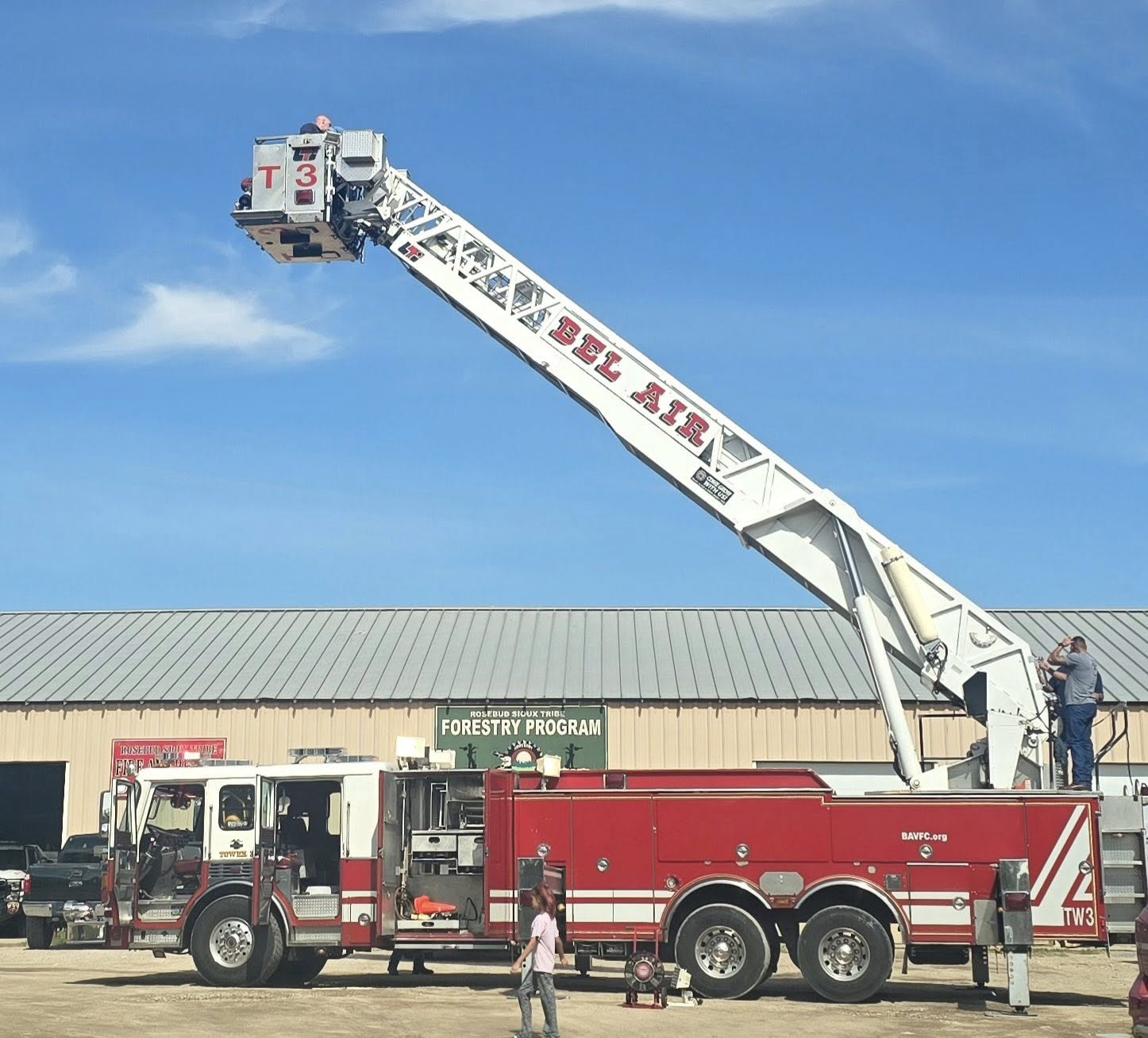
Rosebud receives ladder fire truck

The Rosebud Sioux Tribe Volunteer Fire Department’s received a generous donation of a ladder truck from the Bel Air, Maryland fire department.

The Rosebud Sioux Tribe Volunteer Fire Department’s received a generous donation of a ladder truck from the Bel Air, MD fire department. Photo courtesy of the Rosebud Sioux Tribe Volunteer Fire Department’s Facebook Page.

RSTVFD sincerely appreciates the generous support from the Bel Air Fire Department, as their welcome contributions benefit not only our department, but also our entire reservation.

Bel Air crew members conducted a training session on operating the engine for our personnel. Structure gear was also donated, which is always appreciated by our fire crew.

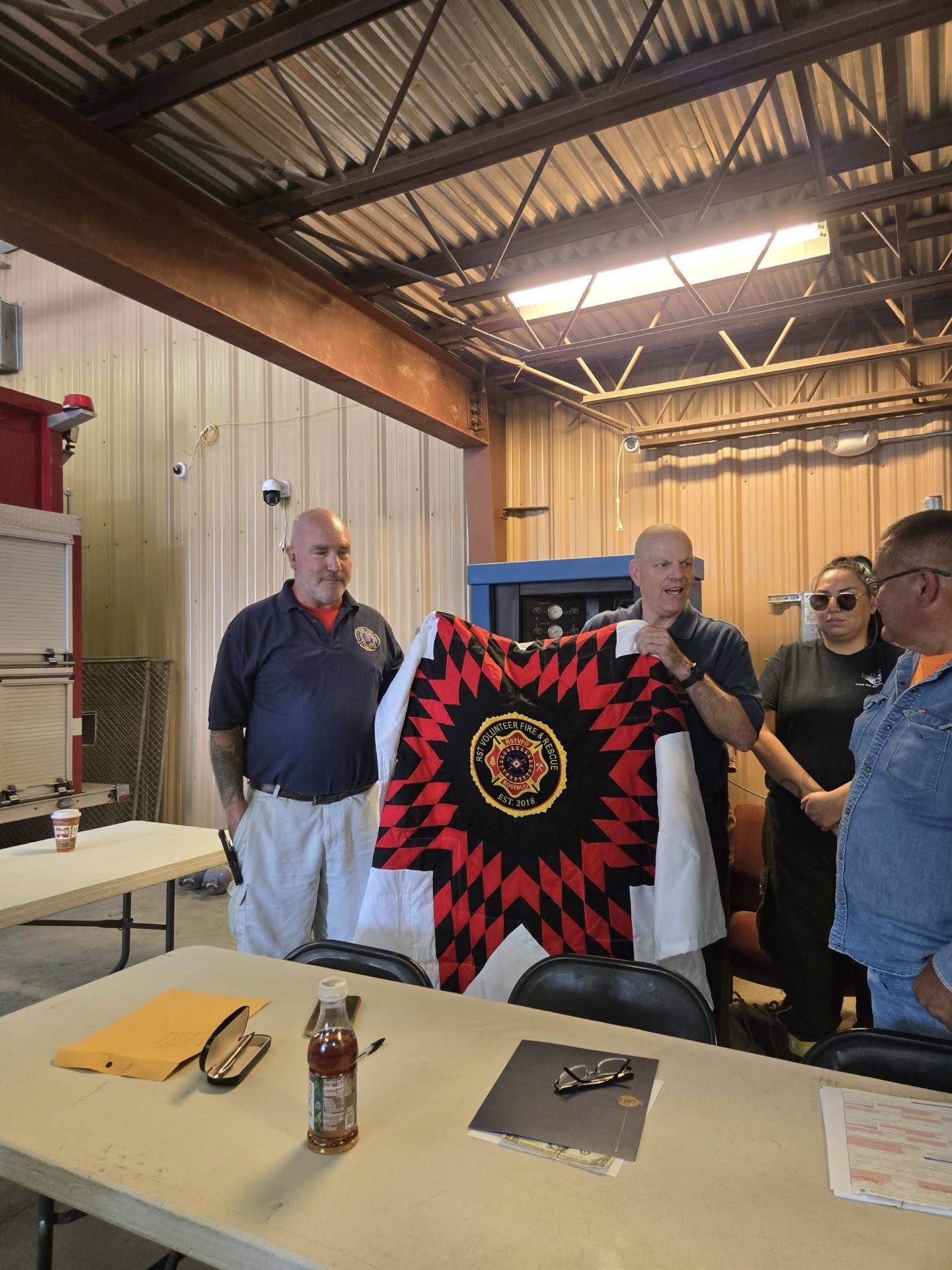
Rosebud’s Fire Crew presented a star quilt to the members of the Bel Air department in appreciation. Photo courtesy of the Rosebud Sioux Tribe Volunteer Fire Department’s Facebook Page.

Chief Kenny Provencial and RST Council Representative Wayne Frederick hosted a tour of our beautiful land for our generous visitors and Rosebud’s Fire Crew presented a star quilt to their department in appreciation.

Geraldine Provencial prepared delicious Indian tacos for everyone. We sincerely appreciate the support from the Bel Air Fire Department, as their contributions benefit not only our department but also our entire reservation.

A view from the top of the ladder, Photo courtesy of the Rosebud Sioux Tribe Volunteer Fire Department’s Facebook Page.
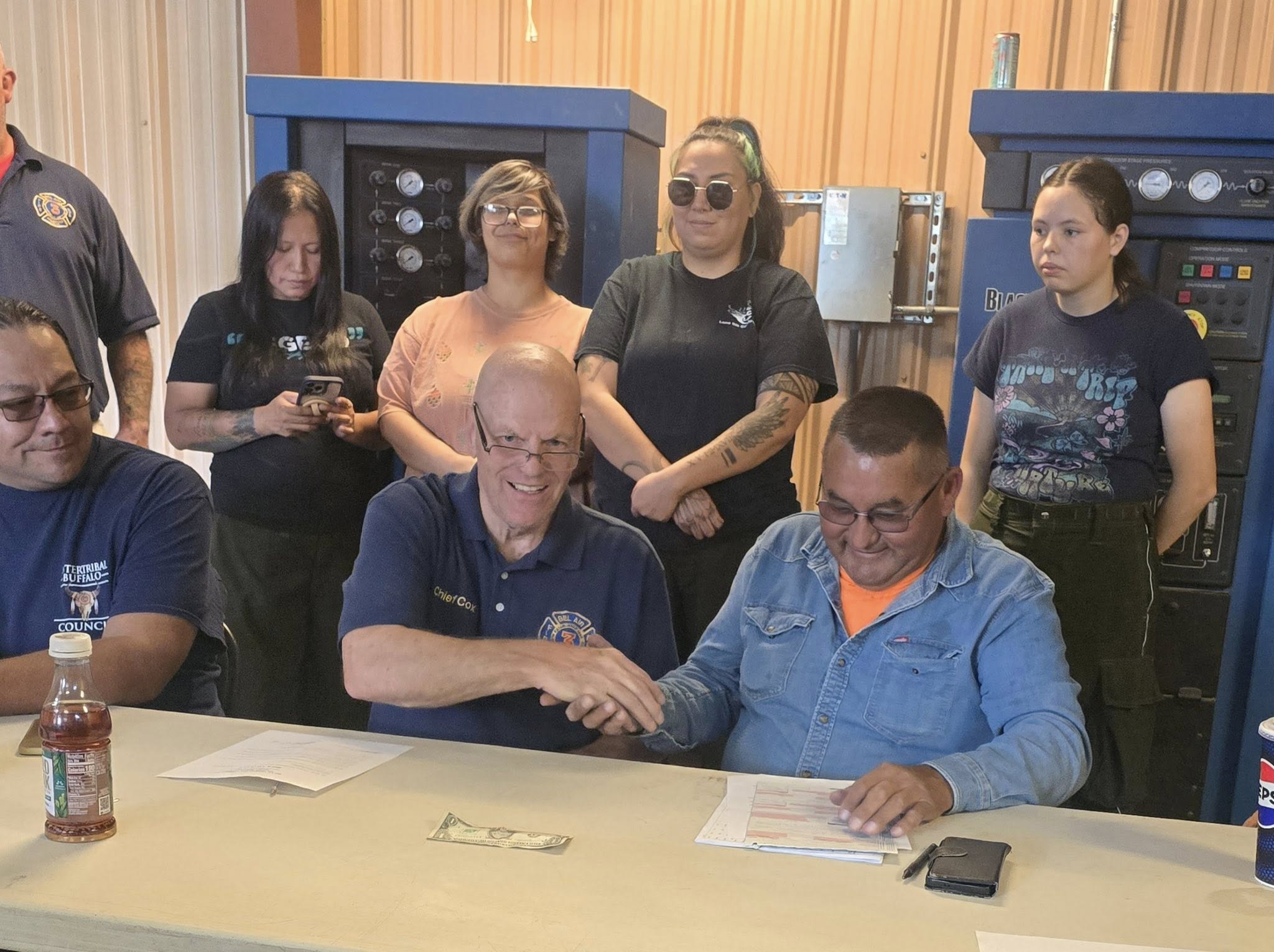
Rosebud officials met with the Bel Air Fire Crew members to turn the truck over to the Rosebud team. Photo courtesy of the Rosebud Sioux Tribe Volunteer Fire Department’s Facebook Page.
RSTVFD volunteer fire fighters conducted a mock training exercise at the new Rosebud Elementary school earlier this week using our newly donated firetruck, with assistance from a Bel Air, MD fire crew. Photo courtesy of the Rosebud Sioux Tribe Volunteer Fire Department’s Facebook Page.

Tankake Ki Wotapi na Taku Icupi Kte

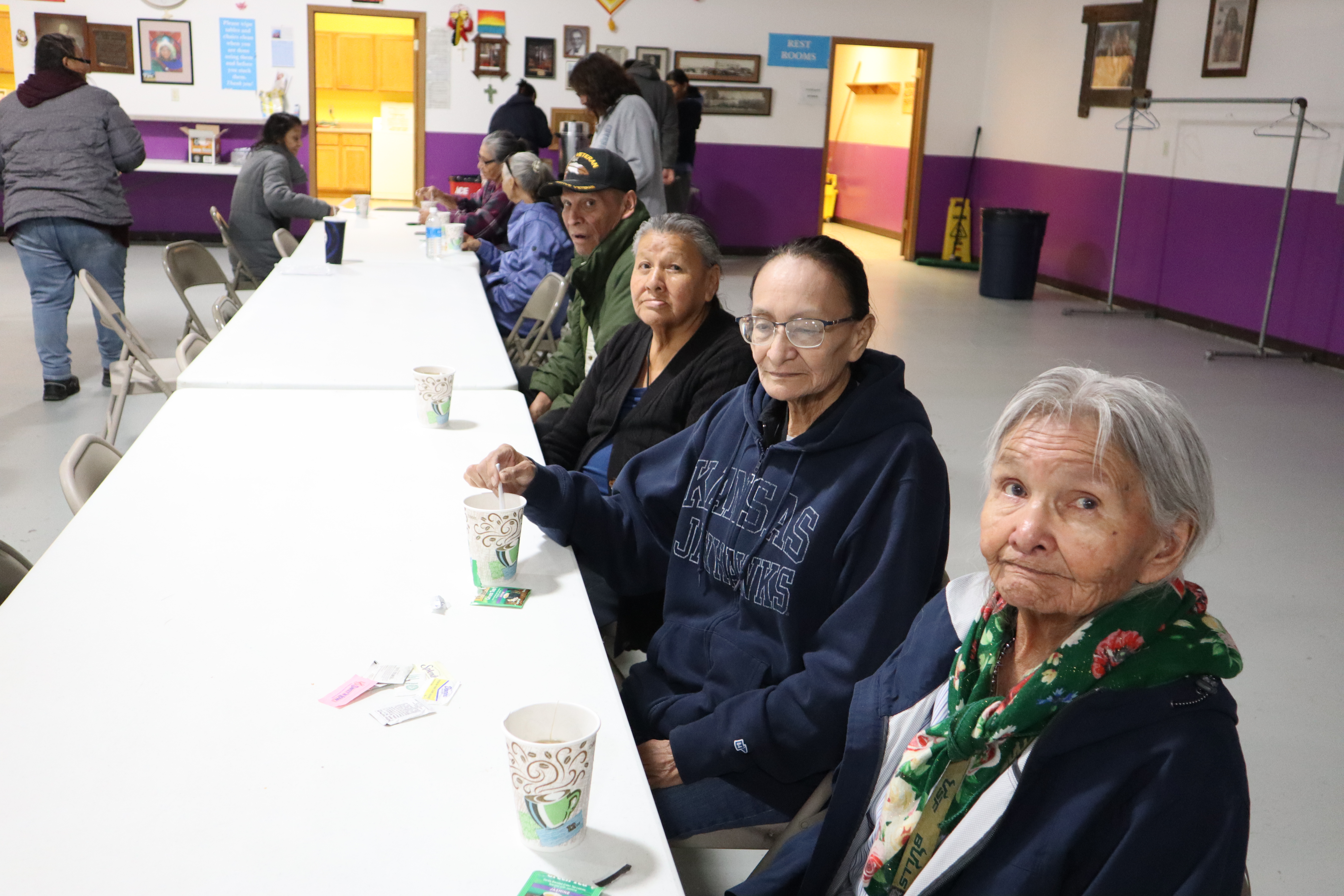
Local elders attended the dinner and took home a gift bundle. Pictured are (L-R) Dominic Eastman, Rosie Winters, June Elk Looks Back and Theresa Sharpfish. Photo by Carmelita Shouldis.

MISSION – Several organizations, businesses and individuals collaborated to host a healthy meal, as well as gifts of food and medicine, to honor Rosebud Sioux Tribal elders.

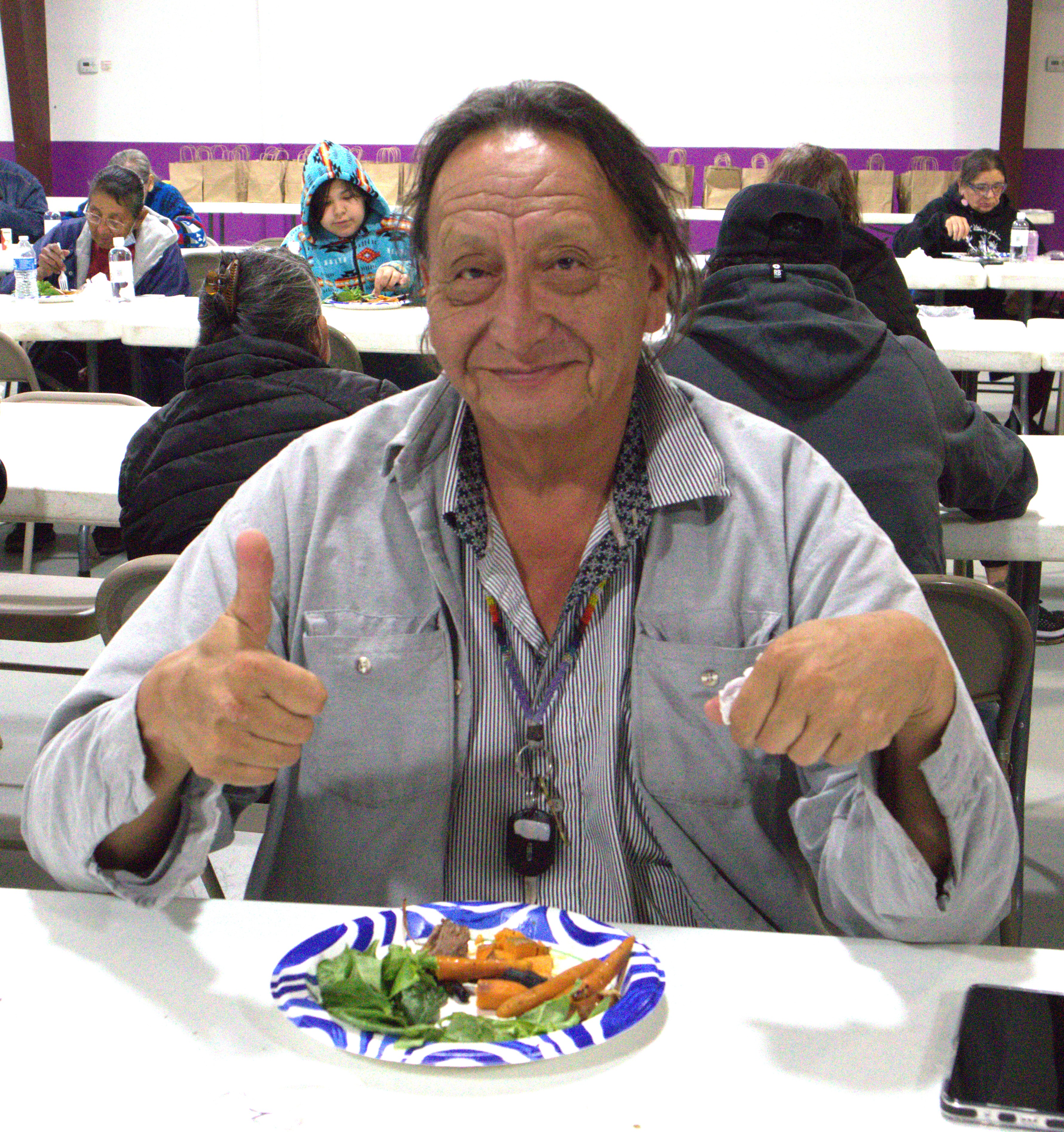
Tankake Ki Wotapi na Taku Icupi Kte (The elders will eat and take a gift) is an annual event held for the last 3 years. This activity is sponsored by local organizations and volunteers who organize, cook and serve a healthy meal for people aged 55+ on Rosebud’s Tribal Elder Day. Elders and family members who attended were treated to a meal of Tatanka roast, sweet potatoes, carrots, salad, wild rice dessert, tea, coffee and water. The meal was served by volunteers.

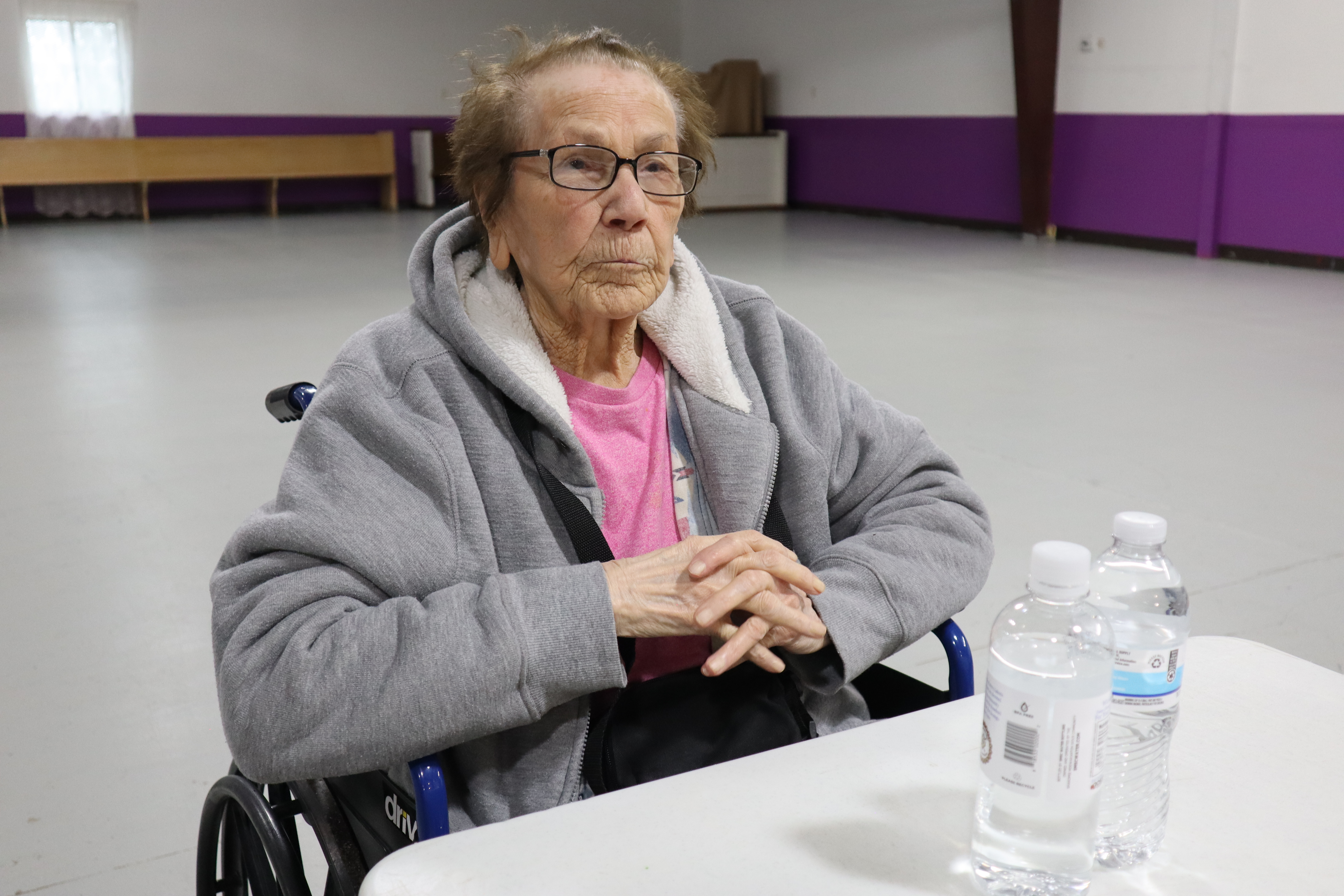
Pictured is Marilyn Cournoyer-Hogan of the Parmelee Community. Photo by Carmelita Shouldis.

The Rosebud Sioux Tribe celebrates Tribal Elder Day on the 4th Friday of every May. Tribal Elder Day was initially designated an official tribal holiday in 1986, in conjunction with annual activities held to honor elders hosted by the Sicangu Elderly Concerns group. In the initial gatherings, a day of games was held for elders. Participants were then invited to Ghost Hawk Park the following day to be recognized with awards, a wacipi and a meal.

Leland Little Dog addressed the gathering of Sicangu Elders in Lakota. Photo by Carmelita Shouldis.

Consequently, on May 17th volunteers from the Sicangu Elderly Concerns group hosted the 38th annual Elder Games at the old St. Francis Indian School track. Outdoor events were held for attendees of all ages. Elder participants 50+ received awards. Events were held in both men and women categories.

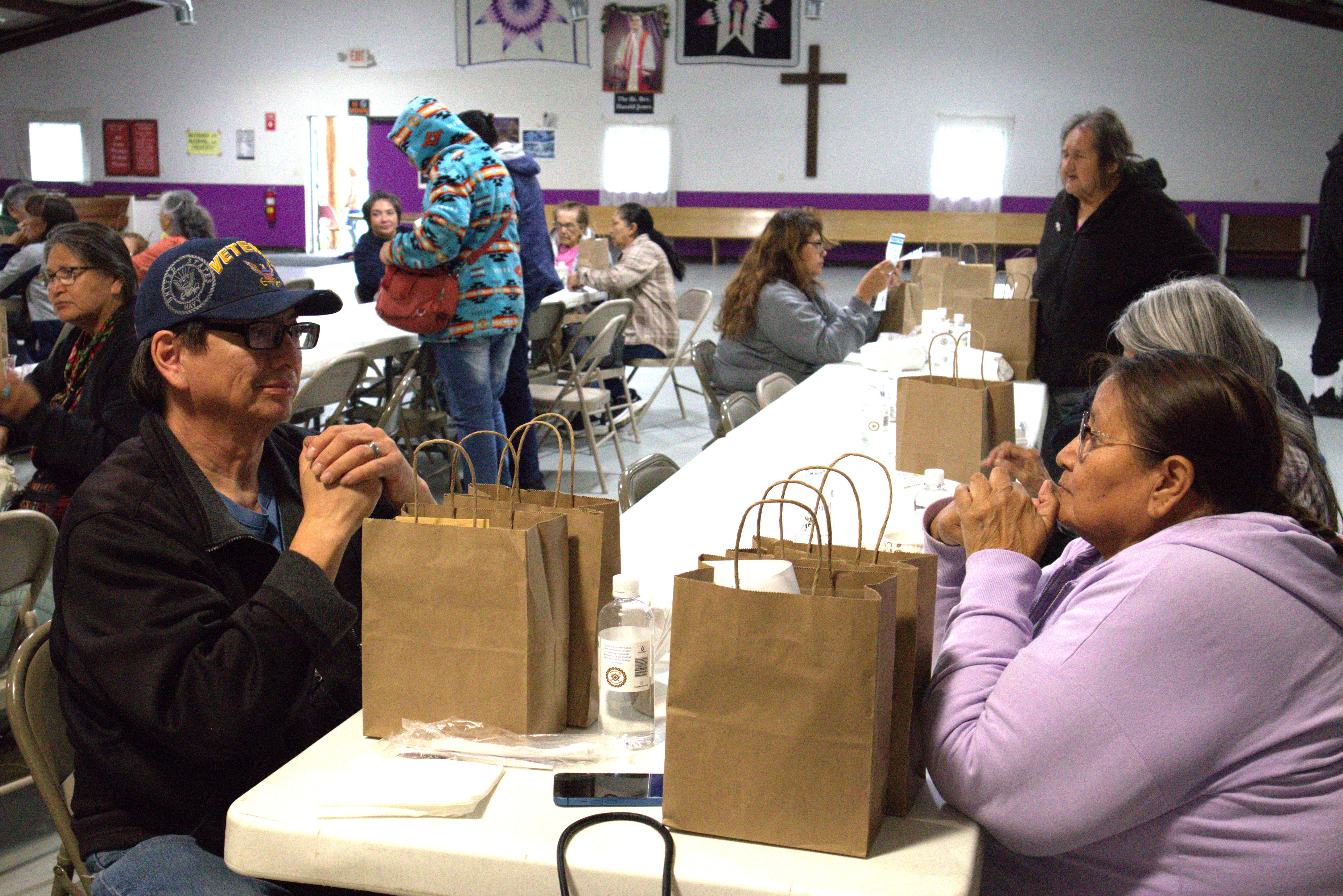
All Sicangu elders who attended the dinner received a gift bundle courtesy of Lakota Made LLC, the Lakota Youth Development and the Great Plains Tribal Leaders Health Board. Photo by Carmelita Shouldis.

All who attended the Tankake Ki Wotapi na Taku Icupi Kte also received a gift bundle sponsored by Lakota Made LLC, an herbal business located in Mankato, Minnesota and owned by Megan Bull Bear of the Milks Camp community. The gift bag included Elderberry infused honey, Arnica salve, dried corn and a special tea blend especially created for elders.

Approximately 100 people attended the Elder Dinner on May 24, 2025 at the Bishop Hare Hall in Mission, SD. Photo by Carmelita Shouldis.

The Great Plains Tribal Leaders Health Board provided information on measles prevention for inclusion in the gift bundles. The GPTLHB also donated food for the meal. Frozen buffalo roasts were distributed to each elder in attendance following the meal. The meat was donated by the Sicangu Food Sovereignty Initiative, the WoLakota Project and Sacred Storm. The Lakota Youth Development program of Milks Camp community also donated jars of honey. Rosebud Office Solutions provided cases of Lakota Water for the dinner.

A special thank you goes out to Foster Cournoyer Hogan, Carmelita Shouldis, Megan Bull Bear, Karen Moore, Brandon Ecoffey, Marla Bull Bear, Leland Little Dog, Ken Ladeaux, Gabbie Iron Shell, Sara Swift-Fielder, Hollis Flowers, along with all the community members and youth who volunteered their time to make this awesome event happen. Nearly 100 elders attended the dinner.

The Rosebud Sioux Tribe President’s office is planning an additional activity to recognize Sicangu Elders. This gathering will happen on Friday, June 20, 2025 at the Adam Bordeaux Memorial wacipi arena, located on the Rosebud Fairgrounds. Elders who attend will be recognized with a gift. A meal will be served to all who attend. For more information call the RST President’s office at 605-747-2231.