#MMIW

May 5, 2019

Vi Waln

Sicangu Scribe
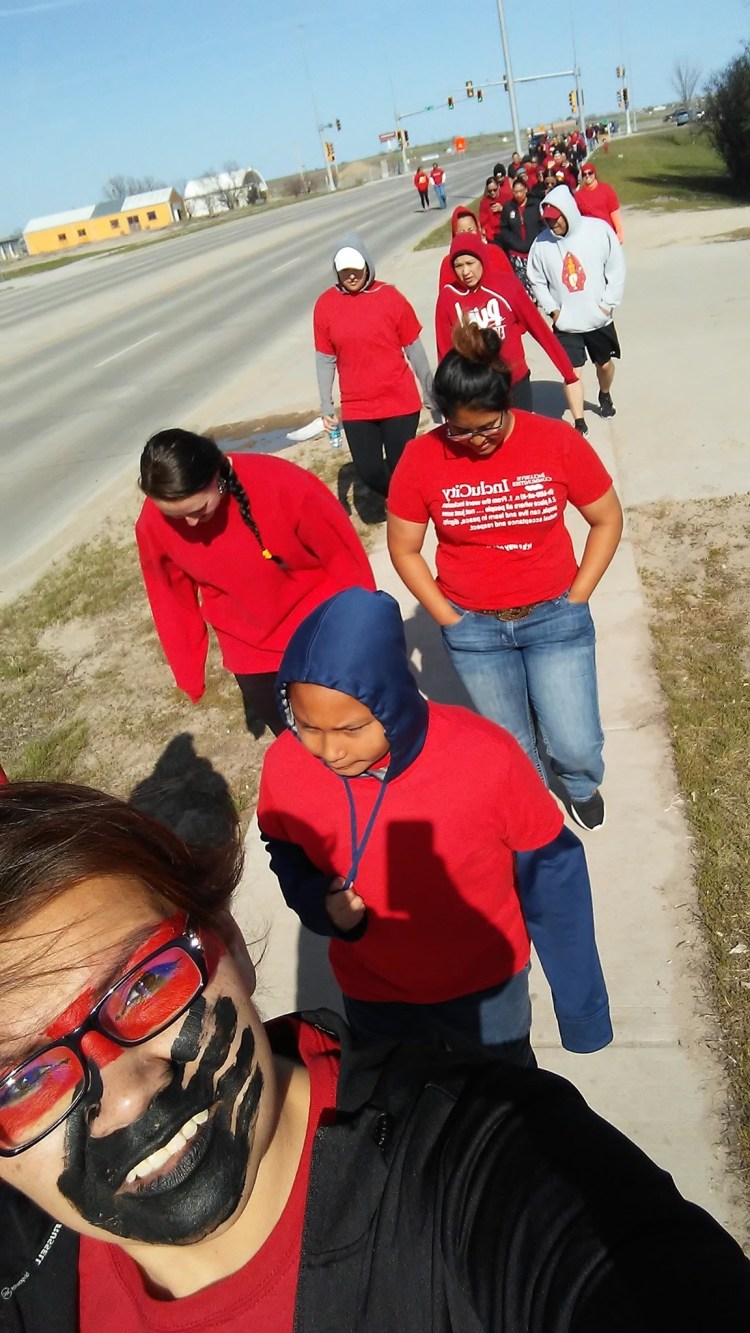
59286094_2188811544505954_7457315616844677120_o
Sicangu Lakota citizens walked to remember the Missing and Murdered Women, Men, Teens and Children on May 5, 2019 on the Rosebud Reservation. Photo courtesy of Charlene Young.

May 5 is the day designated to acknowledge and remember the Missing and Murdered Indigenous Relatives. The hashtag #MMIW is used throughout our society to bring awareness to the fact we are still looking for women, men, teenagers and children who have gone missing or were murdered on Turtle Island.

Kudos to all of you who walked or ran to remember our missing or murdered relatives on Sunday. Many of you wore red clothing to bring awareness to the MMIW problem in our communities. We appreciate you offering prayers for the safe return of our relatives who are no longer here with us. Please continue to educate one another about how serious the issue of missing or murdered relatives is on Turtle Island.

As Indigenous people, we face a myriad of dangers living in this modern world. Our relatives disappear without a trace more often than we want to admit. For example, our Oglala relatives are still looking for Larissa Lone Hill, a young Lakota woman who disappeared on October 2, 2016. Also missing is Alex Vasquez, who disappeared on October 29, 2015. Someone knows something about what happened to these relatives. Please come forward and share what you know about these disappearances with law enforcement.

Many young Indigenous women have been kidnapped and never seen again on Turtle Island. It’s a sad fact that some of them were later found murdered. One case has been highlighted recently because a cold-blooded killer was granted parole from a 100-year prison sentence.
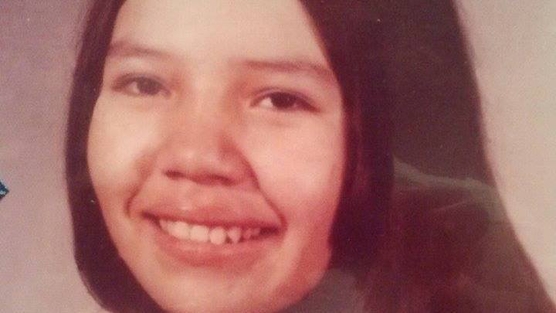
tMQYFOGFNkuZlBW-556x313-noPad
Candace “Candy” Rough Surface disappeared in 1979. Courtesy photo.

Standing Rock tribal citizen Candace Rough Surface disappeared in the summer of 1979. In May 1980, her remains were found near the Missouri River. Law enforcement had no information on her murder and the case went cold. In 1995, James Stroh confessed to law enforcement that he and Nicholas Scherr murdered Candace Rough Surface.

Stroh and Scherr were teens when they met Candace at a bar and later took her to a party. Stroh told law enforcement that Candace got angry at how she was treated at the party. Stroh and Scherr left with Candace. They then raped her and both of them took turns shooting her. They then took the money from her purse. They chained her to the back of the truck and drug her almost a mile to the Missouri River where they dumped her.

Stroh only came forward in 1995 because he had previously confessed to family and in-laws about his involvement in the murder of Candace Rough Surface. If he had not gone though a bitter divorce, many of us wonder if he would have confessed at all. Both men took plea bargains in the case. Stroh was released from prison in 2004.

Nicholas Scherr was pardoned from his 100-year prison sentence last week and will soon walk free. Both men were responsible for the rape and brutal murder of 18-year-old Candace Rough Surface. Many of us believe both murderers should have died in prison.

Lakota people are sacred. Kidnapping, sexual assault and murder are crimes. I challenge our tribal, state and nationally elected officials to look at the laws which govern kidnapping, sexual assault and murder. http://www.justicefornativewomen.com/2016/03/the-murder-of-candace-rough-surface.html

MMIW is also linked to the oil industry, including the proposed construction of the Keystone XL pipeline. Another real threat which comes with the construction of the KXL pipeline is the thousands of workers who will flock to our area for jobs. These workers will need a place to live. Thus, several man camps will be established near the proposed route of the KXL pipeline. Those camps are a true threat with a serious potential to devastate the lives of our people.

Be aware of your surroundings, we live in dangerous times.


Vi Waln (Sicangu Lakota) is an award-winning Journalist. She can be reached through email viwaln@gmail.com
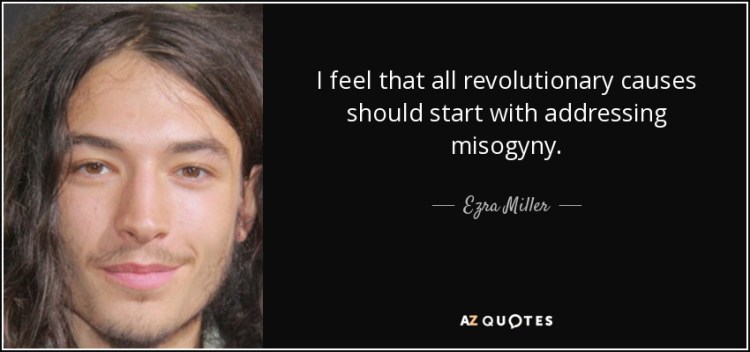


Misogyny is alive and well

quote-i-feel-that-all-revolutionary-causes-should-start-with-addressing-misogyny-ezra-miller-145-83-84

April 11, 2019

Vi Waln

Lakota people, as well as other Indigenous nations, speak about the sacredness of women. As women, we hold the power to navigate the transformation of spirit into a human body through childbirth. Our power to bring children into this world is an essence of our sacredness.

Lakota people wouldn’t have a ceremonial foundation without the power of women. That is, Pte San Win is perhaps the most sacred woman known to our people. She is also referred to as Woope because she brought the laws we are to follow when it comes to our ceremonial way of life. Pte San Win gifted the Lakota people the Cannunpa, which is kept in the Green Grass Community on Cheyenne River. The Cannunpa is used in all of our ceremonies.

Colonization brought many ills into the Indigenous world. The mentality of colonizers is one which views women as second-class citizens. Colonizers invaded our land with misogyny embedded into their psyche. We’ve come a long way in terms of women’s rights; but the psyche of the colonizer still tends to subjugate women.

The online version of the Merriam-Webster Dictionary, defines misogyny as “a hatred of women.” Throughout my life, I’ve encountered many misogynists living on Lakota land. Most of my experiences are on the job or happen regularly during meetings I attend. Consequently, misogyny is not Lakota tradition. Our ancestors deeply understood the sacred power every woman holds.

Unfortunately, I’ve met many Lakota men in my lifetime who are active misogynists, even though they believe their disdain for women is hidden. Many of them also profess to be spiritual while they secretly harbor hate or deep-seated resentment for women. Most women can identify these closet misogynists by the way they talk to us in public.

For instance, the next time you attend a public meeting on any reservation, pay attention to how women are treated. Watch the expressions on the faces of the men when the women are talking and compare it to how they look when other men are speaking.

I’ve gotten really good at reading the non-verbal language of other people. Much of the time, I can spot these misogynists just by the way they look at me or other women when we speak out in public. The difference in how the closet misogynist treats women is subtle. Women are known for our intuition. If something doesn’t feel right about the way you are treated by a man in a public setting, then there is likely some closet misogyny going on.

It’s ironic that many closet misogynists will also speak in public about the damage colonization has done to our people. They will present eloquent, passionate speeches about how colonization was responsible for the murder of our ancestors, the continued imprisonment of Indigenous people and the abuse our people suffered in boarding schools. Yet, these same closet misogynistic men will continuously point out what they think a woman is doing wrong, especially in the work place. Their misogynistic psyche also criticizes everything women do.

Misogyny is prevalent in Indian country. While most of us look outside ourselves to solve problems, the key to overcoming misogyny begins at home. Our tribal programs, tribal councils and tribal schools can also take steps to overcome the misogynistic mindset of our males.

As parents and grandparents, it is up to us to instill values into our boys. Today, many of our small children, teenagers and young adults are running amuck with zero guidance and no sense of spirituality. We are responsible for teaching our young Lakota people how to behave.

Please help your children understand the sacredness of women. Don’t let the misogynistic mentality poison the minds of our male relatives.


Vi Waln (Sicangu Lakota) is an award-winning Journalist. She can be reached through email viwaln@gmail.com
Peyote Exemption Will Remain in Place

March 5, 2019

Vi Waln, Sicangu Scribe

The Rosebud Sioux Tribe has no intent to change Title Five of the Law and Order Code exempting possession, transport or ingestion of peyote as a crime for bona fide members of the Native American Church.

Our medicine people fought hard to guarantee our freedom to attend our sacred Native American Church (NAC) ceremonies where peyote is considered a sacrament. There are many Lakota-Dakota-Nakota people, as well as citizens of several other federally recognized tribes, who attend NAC ceremonies where peyote is ingested. Our right to harvest, possess and pray with the sacred medicine known as peyote is protected by tribal, state and federal laws.

Recently, a rumor was started by some unscrupulous individual regarding criminal law surrounding the use of peyote. There are several families on Rosebud who attend NAC ceremony on a regular basis. The gossip prompted a phone call from NAC officials to the Rosebud Sioux Tribe’s Attorney General’s office.

“I have never supported or suggested that the Rosebud Sioux Tribe make the use of Peyote illegal as it pertains the ceremonies our people practice,” stated Janet Routzen, an attorney employed in the Rosebud Sioux Tribal Court system. “It is true I am working on our criminal code, but I fully support ceremonies and practices that our people use to pray and keep the culture. I do not make decisions about the laws, I am only the coordinator for those who do make those decisions, which is the Rosebud Sioux Tribal Council.”

Currently, the Rosebud Sioux Tribe’s Law and Order Code includes a clearly defined exemption for NAC members who ingest peyote. Title 5, Chapter 28, Section 12 (5-28-12) provides for a peyote exemption for tribal citizens. It reads “PEYOTE EXEMPTION. The provisions of this Act relating to the possession and distribution of peyote shall not apply to the use of peyote by members of the Native American Church in bona fide religious ceremonies of the church.” (page 98)

In addition, the American Indian Religious Freedom Act (AIRFA) Amendments of 1994 were established to protect members of federally recognized Indian tribes who attend Native American Church (NAC) ceremonies and ingest peyote. The AIRFA also allows members of federally recognized tribes to obtain permits to buy, possess, and transport peyote for use in bona fide ceremonies.

According to Wikipedia, Section 2 of the Act speaks to the “Traditional Indian Religious Use of the Peyote Sacrament,” and reads in part: (c) For purposes of this section – (1) the term ‘Indian’ means a member of an Indian tribe; (2) the term ‘Indian tribe’ means any tribe, band, nation, pueblo, or other organized group or community of Indians. . .(3) the term ‘Indian religion’ means any religion – (A) which is practiced by Indians, and (B) the origin and interpretation of which is from within a traditional Indian culture or community; and (4) the term ‘State’ means any State of the United States, and any political subdivision thereof.”

The statute expressly and exclusively provides an exemption to federal and state drug laws for members of federally recognized Indian tribes who use peyote in traditional Indian religious practices.

More information on the Peyote Exemption for the Native American Church is posted on the Department of Justice website

In addition, the American Indian Religious Freedom Act Amendments of 1994 (PUBLIC LAW 103-344 [H.R. 4230]; October 6, 1994) are available to view online.

South Dakota Codified Law 34-20B-14 (17) provides additional exemption for peyote. “Peyote, except that when used as a sacramental in services of the Native American church in a natural state which is unaltered except for drying or curing and cutting or slicing, it is hereby excepted.”

One must be an enrolled citizen of a federally recognized tribe to either possess peyote or attend NAC services. Concerned NAC members can rest assured that the Rosebud Sioux Tribe has absolutely no intent to change the Law and Order Code eliminating the peyote exemption.


When Ignorant People Terrorize Indigenous People

January 21, 2019

Vi Waln


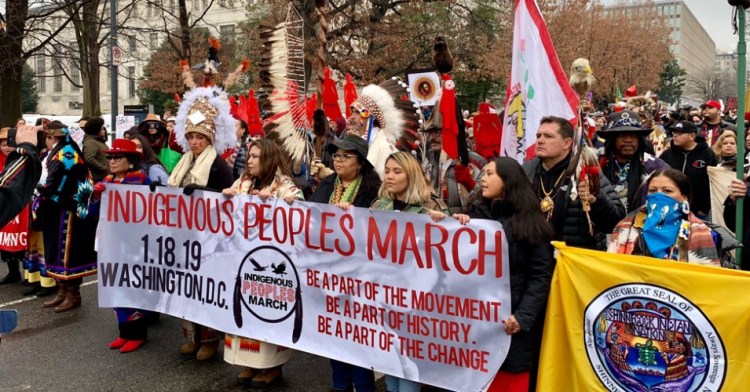
indigenous peoples march
Indigenous People from across Turtle Island carried banners, flag, staffs and drums as they marched and sang in Washington DC on January 19, 2019. Photo courtesy of Lakota People’s Law Project.


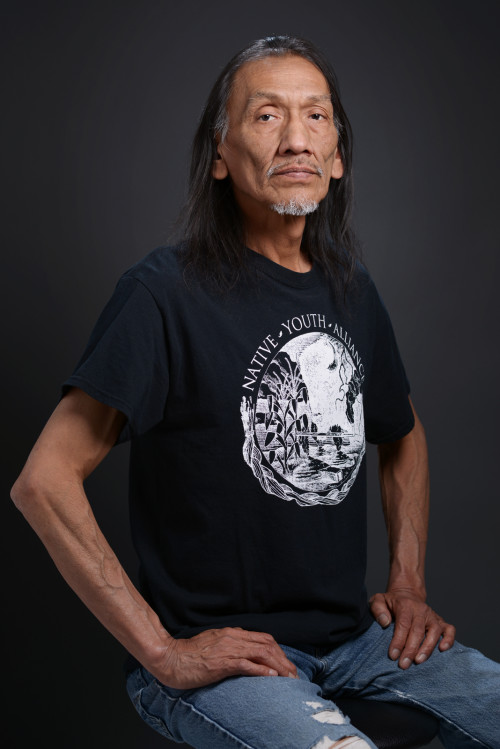
The strength of Nathan Phillips, an Indigenous elder and veteran, was witnessed by many over the past week. Perhaps the most important teaching to emerge from the Indigenous People’s March last Friday is the world knows we still exist as a spiritual people; singing our prayer songs for all living beings, while advocating to make Mother Earth a peaceful world.

There are many times we as Indigenous people feel invisible. For instance, many people believe we were annihilated by Manifest Destiny. Yet, a crucial issue brought to light from the incident in Washington DC is the way we are treated as “the other” every day of our lives. The world now knows what we often go through every single day. The way we are looked at by white privilege is no longer invisible.

The incident involving students from a Catholic High School at the Indigenous Peoples March showed the online world what our people have suffered since the wasicu arrived. In fact, we suffer from these types of arrogant incidents every day in our homelands. Pitiful are the human beings whom get high on terrorizing Indigenous people.

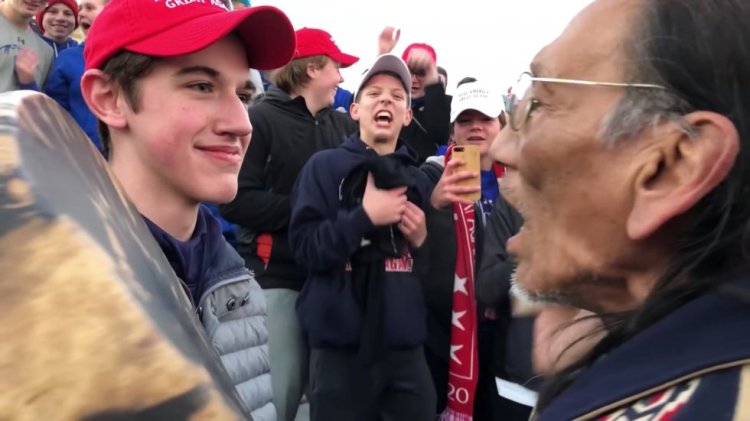
Yet, we still pray and sing for these diseased minds to heal from the influence of their religion, family and teachers. Consequently, individual behavior as adults generally stems from traumatic events suffered at some point in our lives. Some traumatized humans are driven daily by their deep-seated religious teachings of fear, pain, anger and open hate for “the other.” Catholic children like the boy wearing the MAGA hat, smirking in an Indigenous elder’s face, are being traumatized as you read this. These human children desperately need Indigenous ceremonial prayers and songs.

The Catholic Church continues to prove the agenda of their faith. For example, traumatized Indigenous people and sexually abused children, are irreparably scarred. We pray for the day when humanity recognizes the abuse Catholicism has inflicted on society.


nathan-phillips-e1430785844684
Nathan Phillips
51083540_10210996324739155_4691400087455137792_n
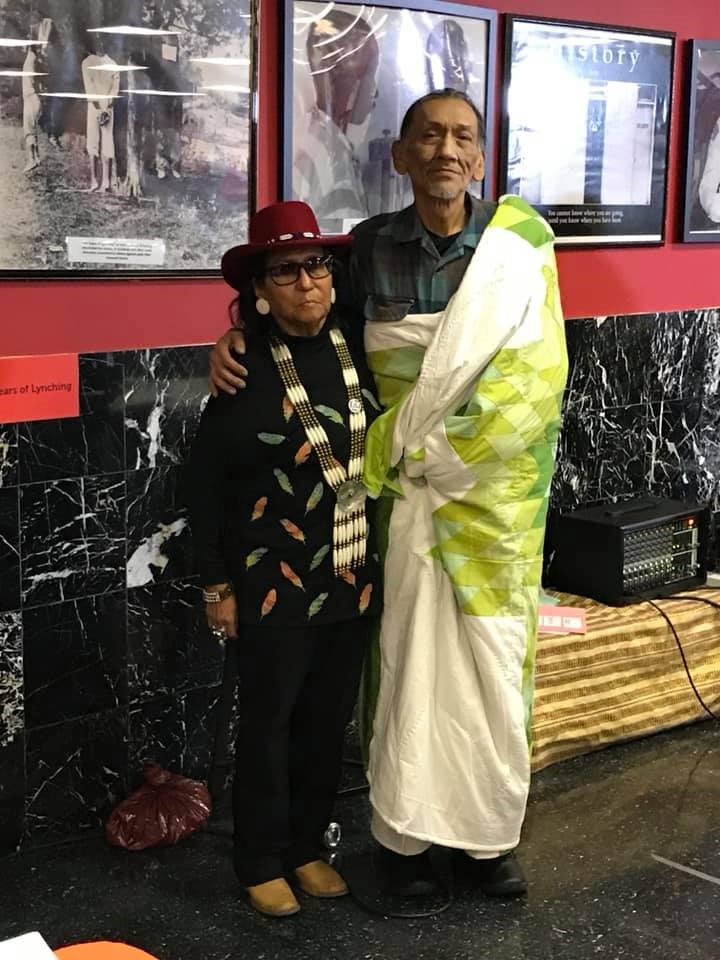
Phillips, pictured here with Phyllis Young of Standing Rock, was honored with a star quilt at an Indigenous Peoples Movement Leadership Meeting held in Washington DC over the weekend. Photo courtesy of Cante Heart.


As a Lakota woman living in South Dakota, I recognized the facial expression in the photo of the Catholic boy from Kentucky as he stood in front of Omaha elder Nathan Phillips. The mere look on this kid’s face is what he did wrong. His expression is an unmasked display of his personal attitude toward an Indigenous elder and Vietnam veteran sending love through song. When ignorant people decide to terrorize Indigenous people, they do it by donning the same facial expression displayed by the arrogant Catholic boy. He offended the entire world. Sadly, this behavior is probably justified through teachings of his parents and religion.

I was raised in a Catholic home because my family chose to follow the church several generations ago. My ancestors believed they had no choice but to embrace Catholicism. The government’s attitude toward Indigenous people was either pray and be educated as a Catholic or starve as a hostile savage. That attitude lingers.

I left the Catholic church as a young adult. The confusion between being Catholic and Lakota at the same time wouldn’t allow me to continue praying in a wasicu religion. My spirit didn’t understand guilt, misogyny or threats of eternal damnation. Instead, I went to pray in Inikaga.

My life changed when I embraced the spirituality of my ancestors. However, I’m not writing this to condemn my relatives who still pray in the Catholic church. I realize not all Catholics are horrible people. Many Catholics are very spiritual and I know they are also hurting because of this ignorant display of disrespect.

This ignorant Catholic boy will bear the trauma of having to live with the world-wide social media embarrassment he brought upon himself. Pray for him, his family and all descendants of the failed operation known as Manifest Destiny.


9d5bf578-1c64-11e9-8ff8-c80f5203e5c9_image_hires_115802


Vi Waln (Sicangu Lakota) is an award-winning Journalist. She can be reached through email vi@lakotatimes.com


Why We Remember Wounded Knee

December 27, 2018

Vi Waln

Dewey Beard
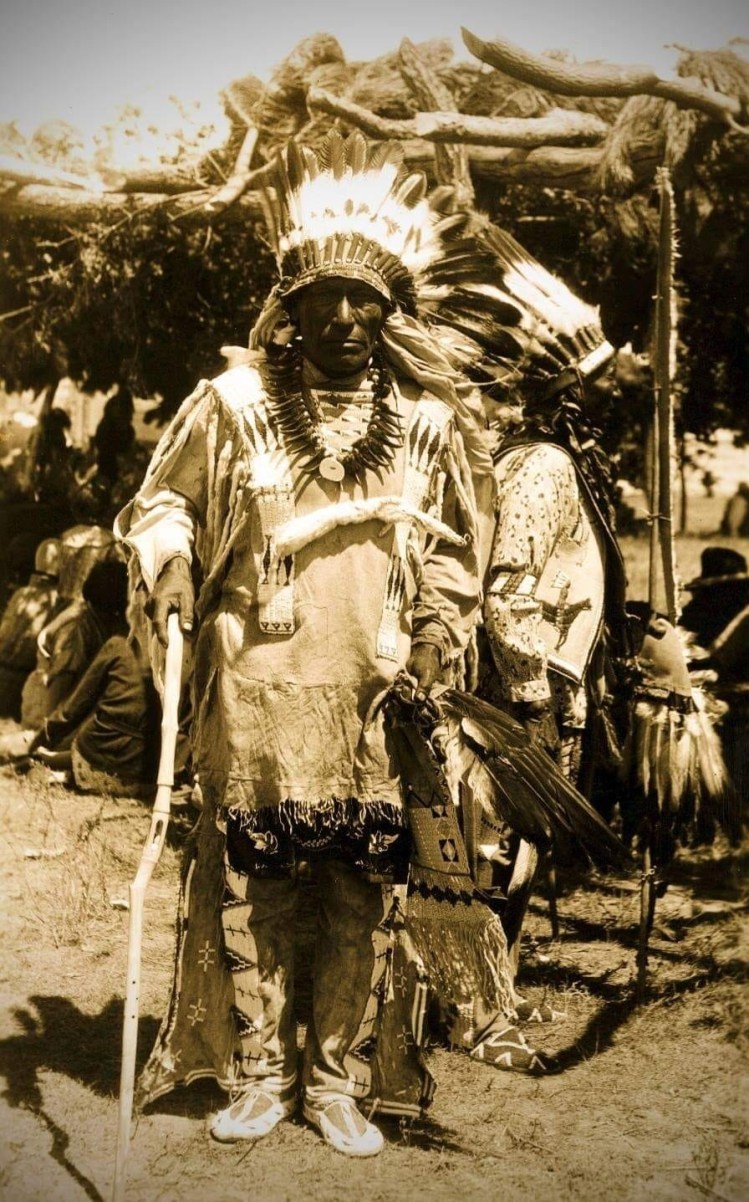
Spotted Elks band on their way to Pine Ridge Agency was intercepted by soldiers. They had their Hotchkiss guns ready for battle, soldiers waiting guns loaded. Wasu Maza aka Dewey Beard rode ahead of the caravan, approached the soldiers. He dismounted and shoved his arm down the barrel of the Hotchkiss gun! Counting coup! Let the soldiers know he wasn’t afraid, still upset over the murder of Sitting Bull. Although many of his family were murdered that next day, himself wounded badly, he lived to be 97 years old. Courtesy photo.

It is winter on the Great Plains. This is the time of the year when our ancestors fled after the murder of Sitting Bull. There were sick, elderly, children and women all traveling in the caravan. They headed south towards Pine Ridge, walking as fast as they could. They were intercepted by the Seventh Cavalry near Porcupine Butte and were escorted to Wounded Knee Creek. Despite a white flag of surrender raised by Chief Spotted Elk, many in the group were viciously murdered by soldiers armed with Hotchkiss guns on December 29, 1890.

Soon after the guns went silent, a prairie blizzard covered the killing fields, halting any recovery efforts for three days. After the storm subsided, those who traveled to the massacre site were witness to the frozen bodies of our murdered ancestors. A photographer documented the horror of the Wounded Knee massacre for all of eternity.

Recently, I was asked “what the memory of the massacre Wounded Knee means to the folks on Pine Ridge and beyond; why it is so important for it to be remembered?”

The memory of the Wounded Knee massacre lives in all of the Lakota/Dakota/Nakota people, as well as Indigenous citizens of other nations. There are times when I wonder about the photos. If the photographer hadn’t been there during the recovery of bodies, we would not have seen how the killing fields looked after the blizzard. So, the eternal memory of a mass burial of our murdered ancestors was captured by the photographer.

Another memory ingrained in the minds of the Lakota/Dakota/Nakota people is that our ancestors were killed and then buried without proper ceremony. That is, there was no sacred food sent to the spirit world with Chief Spotted Elk or any other of the relatives murdered.

Our ancestors were starving. They also were living in an era when there was little hope of survival for those whom refused to be contained by the fenced in reservation, which was perceived to be a prisoner of war camp. Our ancestors embraced the Ghost Dance brought by Short Bull, with the blessing of Wovoka.

The Ghost Dance ceremony was initially held by a Paiute prophet named Wodziwob. The Ghost Dance movement, subsequently founded by Wovoka, promised a return to the way of life before the coming of the wasicu. Our people began praying and dancing with faith the ceremony would save them from the wasicu.

Shortly after the Wounded Knee massacre, rituals and ceremony brought to the Lakota by Pte San Win (White Buffalo Calf Woman), were outlawed by the federal government. During this time, our people conducted ceremony in secret. Our spiritual ways were never lost, as many of our ancestors risked being imprisoned to keep the Lakota ceremonies alive and far away from the scrutiny of the wasicu police.

After the ceremonies were declared against the law, the wasicu attempted to replace our spiritual way of life with Christianity, which was another form of trauma that many of us still suffer from today. Yet, Christian prayer will not stop the ceremonial renaissance we see today. The attempts to colonize our people away from the Cannunpa have failed.

So, when I am asked “what the memory of the massacre Wounded Knee means to the folks on Pine Ridge and beyond; why it is so important for it to be remembered?” I have to say our memories are important as they have resulted in many Lakota people leading our children back to ceremony.

The knowledge of what the wasicu is capable of, specifically the murder of innocent Lakota/Dakota/Nakota and the attempt to strip the Oyate of our spirituality, is why it is so important to remember Wounded Knee.

It’s LNI Week

December 9, 2018

Vi Waln

The Lakota Nation Invitational (LNI) will once again host large groups of student athletes and scholars as they compete in a full program of high school activities. The forty second annual Lakota Nation Invitational will celebrate the athletic talents, academic skills and cultural knowledge of our Indigenous youth.

What began as a small All-Indian Boys Basketball Tourney on the Pine Ridge Reservation has evolved into an action-packed program of athletic events which include the showcasing of talent in in basketball, cheerleading, cross-country, golf, volleyball, wrestling and archery. LNI also has academic competitions and cultural activities for students. These include the Art Show, Lakota Language Bowl, Business Plan Writing, Poetry Slam, Hand Game Tournament and the Knowledge/Quiz Bowl. Friday’s Grand Entry of Lakota veterans, wacipi dancers, athletes, officials and participants of all LNI activities is always a high-energy event to attend.

Lakota children are the crown jewel of our Oyate. It’s an awesome way to end the year by supporting the talent of our young people as they participate in sports, cultural and academic events. The youth whom participate are often the current role models for countless grade school students who are now dreaming of showcasing their sport, academic and cultural skills at a future LNI event.

Many of our families travel to watch the fast-paced basketball action played on several courts throughout the four-day tourney. Some of the best high school basketball games in the region are played during the LNI Tourney. The basketball tourney is certainly on par with any state basketball championship tourney and often attracts national attention.

It takes a lot of hard work and requires year-round planning by the Board of Directors to organize a successful LNI. Participating schools send staff members as volunteers to work at the events throughout the weekend. These school employees devote their free time by working long hours to help the event run smoothly. We appreciate their sacrifice as unofficial ambassadors of this winter holiday classic.

597
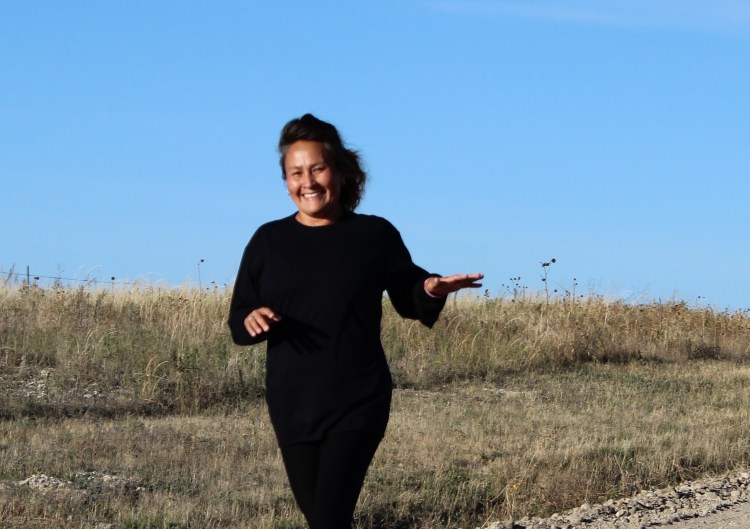
Tonya Whirlwind Soldier participated in many runs during her life, including a Cancer Awareness Run held in the He Dog Community. Photo by Vi Waln.

Sadly, most of our people and students attending the 2018 Lakota Nation Invitational are in mourning. In fact, this year’s LNI excitement is dampened by the untimely death of Tonya Whirlwind Soldier, a Sicangu Lakota woman who lost her battle with cancer yesterday.

Tonya was a long-time cross-country coach from Todd County High School. She was one of the organizers of LNI and worked tirelessly every year to help host a memorable event for student participants. Her death on December 8 left a great void in the lives of her children, grandchildren, parents, siblings, extended family, friends, co-workers and the students whose lives she touched.

Tonya was loved by everyone she encountered. It didn’t matter what was happening in her life, she always had a smile, a happy-to-see-you greeting, along with a bear hug for her cherished family and friends. Even after she became seriously ill, it didn’t stop her from treating everyone she knew with kindness and love.

Tonya was a lifetime athlete. Many of us will remember her as she ran her daily miles on local reservation roadways, waving at us when we honked our car horn at her as we passed. As sick as she was, Tonya didn’t let her illness overcome her as she remained as active as her ailing body would allow.

Tonya’s sons and grandchildren were the joy of her life. She cherished them and was proud of their accomplishments. She held her parents, Homer and Rosalie Whirlwind Soldier, in high regard. She set an example for all of us in the way she treated her Tiwahe. We offer our prayers for Tonya’s Tiospaye.

Lakota Country Times and the LNI Board of Directors offers our condolences to all who loved Tonya Whirlwind Soldier.

Vi Waln is Sicangu Lakota and has been a journalist since 2001. She can be reached through email editor@lakotacountrytimes.com.


We Embrace Tribal Heritage Every Day

November 22, 2018

Vi Waln

275
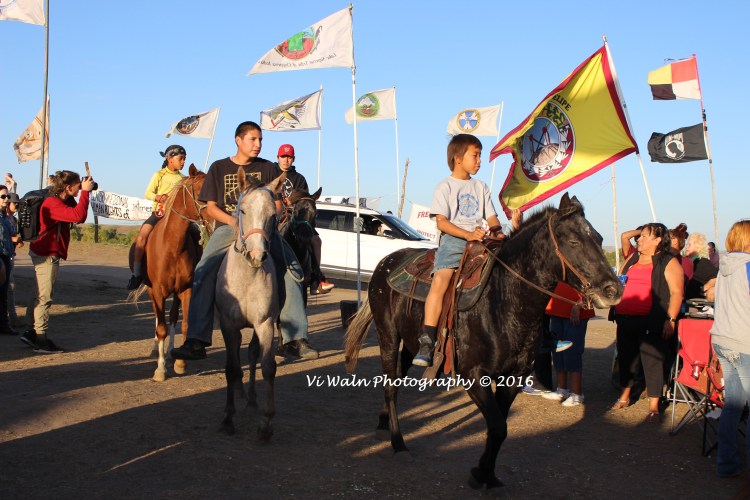
Oglala Lakota Horse Riders arrive at the Oceti Sakowin Camp near Cannonball, North Dakota in 2016. Photo by Vi Waln.

Native American Heritage Month is designed by Presidential Proclamation in November. Native American Heritage Day is observed on the day after Thanksgiving. Yet, this month is really no different for the Native American people living on Turtle Island as many in Indian Country actively embrace their tribal heritage every day.

As winter approaches, it’s also the time of year when our historical or intergenerational trauma is triggered. We will remember many traumatic events over the coming weeks.

Many of our ancestors died violent deaths at the hands of the US military forces. So even with Native American Heritage Day being observed this week, it’s the time of year many will remember the bloodiest anniversaries in our history.

Lieutenant Colonel George Armstrong Custer attacked Chief Black Kettle’s band of Cheyenne near the Washita River in Oklahoma on November 27, 1868. Black Kettle had been promised safety by the nearby Commander of Fort Cobb. The massacre resulted in the death of the Chief and 103 of his people, many of which were women and children.

Another event is the November 29, 1864 massacre of Cheyenne and Arapaho people at Sand Creek in Colorado. Most of the people killed were women and children. Soldiers also mutilated many bodies and paraded through nearby towns displaying the bloody genitals of women.

Back then, mutilated body parts were called redskins, since they were freshly stained with the victims’ blood. There were flyers promising cash payments to people who turned in fresh redskins. Today, the world knows redskins as a football team’s mascot. Many don’t comprehend why we are offended.

December is a traumatic month for the Lakota/ Dakota/Nakota people. Chief Sitting Bull was murdered on December 15, 1890 on the present-day Standing Rock reservation by Lakota police officers. In addition, President Lincoln gave the order that resulted in the mass execution of 38 Dakota men in Mankato, Minnesota on December 26, 1862.

And the most infamous massacre was at Wounded Knee on December 29, 1890, when the 7th Cavalry murdered Chief Big Foot’s band and left their bodies to freeze after a blizzard hit the area. The murdered Lakota were buried in a mass grave that is now visited by hundreds of tourists every summer.

Even though the government recognizes modern-day tribes by designating November as Native American Heritage Month, that honor means nothing to many of our own who experience post-traumatic stress disorder (PTSD) in our genes. Consequently, there is an upswing of substance abuse during the last 2 months of the year. Many of us believe that increased drinking and drugging is due to the PTSD carried in our collective memory.

We can overcome the effects of historical or intergenerational trauma. It takes an effort by the individual to recognize trauma and begin the hard work to release it. Letting go of trauma isn’t easy and it can be very painful. Still, it’s the only way we will heal.

Our ceremonies continue to help in the healing process we face. However, there are some in denial about the effect historical or intergenerational trauma has on our family. If you look at today’s society, there are young people and children suffering horribly on our reservations. The majority of this suffering is likely caused by the trauma we carry in our collective memory.

We all have the strength to overcome the obstacles in front of us to begin walking the path to healing. Lakota prayer and ceremony have healed many of us. When you make a conscious effort to work on healing the historical trauma you carry, it will have a positive effect on your children and grandchildren. We can all pray for healing for our people in our daily prayer.


Fake News

August 16, 2018

Vi Waln

In 2018, some of the most damaging attacks are coming from government officials. Criticizing the news media — for underplaying or overplaying stories, for getting something wrong — is entirely right. News reporters and editors are human, and make mistakes. Correcting them is core to our job. But insisting that truths you don’t like are “fake news” is dangerous to the lifeblood of democracy. And calling journalists the “enemy of the people” is dangerous, period. ~Editorial Board of The New York Times, August 15, 2018.


Journalists are some of the most despised people on Earth. If you’ve kept up with world news, you know that many journalists are murdered while on assignment in other countries. Still, professional journalists continue to risk their very lives in order to bring news reports to the world.

Freedom of speech is guaranteed to citizens under the First Amendment of the United States Constitution. Specifically, “Congress shall make no law respecting an establishment of religion, or prohibiting the free exercise thereof; or abridging the freedom of speech, or of the press; or the right of the people peaceably to assemble, and to petition the Government for a redress of grievances.”

In addition, Article X, Section 1 of Constitution of the Rosebud Sioux Tribe outlines the Bill of Rights for Rosebud tribal citizens: The government of the Tribe including the community shall not … (b). Abridge the freedom of speech, press, expression, conscience, association, or the right of the people to peaceably to assemble, and to petition the government. 

Journalists writing for both American and Tribal news outlets are guaranteed freedom of speech and expression. Yet, politicians at all levels of government would rather not answer questions asked by reporters.

Elected officials are put in office by the voting public. The public looks to journalists to be informed, not only about the political world, but about the myriad of other issues which concern us. Tax payers deserve to know how their dollars are being allocated by the politicians controlling the purse strings. Journalists are more than happy to publish information about how your tax dollars are spent.

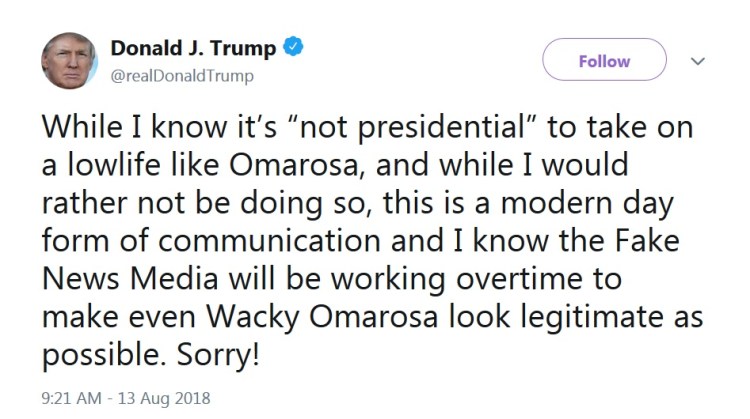
Today, President Donald Trump’s credibility is basically nonexistent because of his ongoing, unfounded accusations against the newspapers and television networks who work hard to keep us informed of his every move. Journalists are doing their job in keeping the general public informed. After all, we all have a right to know what is happening with our government.


Still, it’s been quite obvious that the POTUS doesn’t want anyone to know what is going on in his administration. He has consistently accused journalists of being enemies of the people. He accuses many outlets of publishing fake news. He tweets daily posts on his personal Twitter account to distract us from his haphazard attempt to run this country.


Fake News


Journalists are a tough bunch. We understand that being accused of writing fake news comes with the profession. There is no better way to cast doubt on what is published by news outlets than to accuse them of writing something that isn’t true.

Perhaps POTUS believes that publicly accusing news outlets of publishing fake news, it would somehow get reporters to stop asking questions or stop writing news articles. But the President’s accusations encourage journalists to scrutinize his actions even more. Unfounded accusations results in reporters making even more effort to check all the facts before articles are published.

You know the story or editorial hits a nerve when you hear POTUS condemning the press on almost a daily basis. The goal of journalism is to report on issues that someone doesn’t want other people to know about. It’s a dirty tactic to accuse news outlets in this country of publishing untruths.

As long as our Constitutional laws guarantee our freedom of speech, journalists will continue to write the stories that someone doesn’t want you to read.


Exercise your Right to Vote

Vi Waln

July 22, 2018

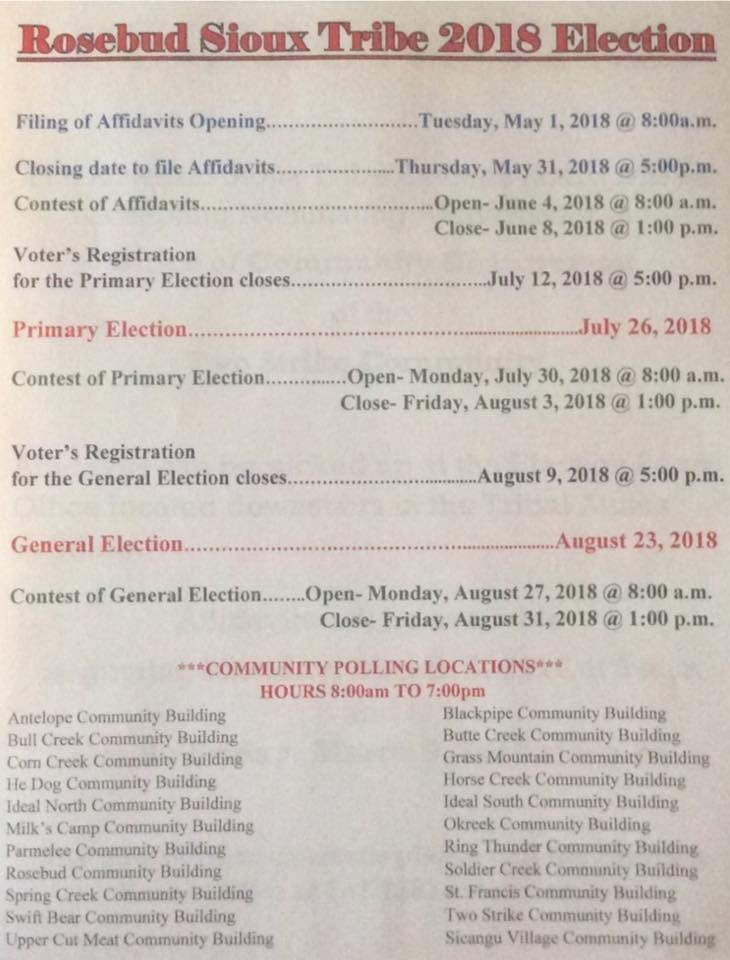
July 26 is the date set for the Rosebud Sioux Tribe’s Primary Election. Voters will narrow down the list of candidates in preparation for the August 23 Primary Election. If you are registered to vote with the Rosebud Sioux Tribe, I encourage you to go to the polls to vote for the candidate of your choice.

There are many people who will tell you that you have a responsibility to vote in all elections. I am a voter whom visits the polls in all elections. It doesn’t matter if they are tribal, state or federal elections as I vote in all of them. Call me colonized or assimilated or whatever, I just want to be a part of who gets to be in control of our government or schools or community.

Several of my people asked me to run for office but I declined. I remember talking to a friend some time ago and I asked him why he didn’t run for tribal council. He told me he couldn’t take care of all the people and so he didn’t believe he should run for office because someone would inevitably get left out. I never forgot his words.

Today, people elected to office are damned if they do and damned if they don’t. This is inevitably due to the fact that we live in one of the top poorest counties in America. Unemployed people need financial help.

One former tribal council member told me how she bought give away items for a memorial a family was sponsoring. We all know we have a whole year to get ready for a memorial; yet poverty is a huge factor as it takes a lot of money to get ready for the remembrance ceremony.

Also, people regularly engage in lateral violence here on the reservation. When you turn down a potential voter who asks for financial help, there’s always the risk of that voter badmouthing you to everyone they encounter.

This also happens when a governing body votes on something which affects the entire tribe. Someone will always have a negative word to shout out about you. Politicians can’t win no matter what they do.

People who are elected to tribal council are badmouthed by many people of all ages. This is because we elect them for three years and we expect them to solve all the Tribe’s problems. There is no way to solve issues in such a short time. Still, it’s all their fault when things do or don’t happen. It’s not fair to badmouth the elected officials or program directors when a request is turned down. Changing anything generally takes several years; tribal council representatives only get three years.

Yet, there are many issues we see that can be changed. For example, tribal council members tend to bully one another. They also bully tribal employees and people in general. There’s no honor in being a loud mouth bully.

There’s also a lot of micromanaging happening within our tribal government. Tribal council members also believe they’re more entitled to services our programs offer. There’s a ton of unfairness happening in our tribal programs.

Travel is another issue we’ve heard a lot about. Some tribal council members travel extensively. Travel takes a lot of money. But, for the amount of travel money the tribe has paid to elected officials, tribal citizens haven’t seen much meaningful change come from it. Many people on the Rosebud would like to see how their money is spent; a detailed travel report printed online, or in a newspaper, would definitely have us questioning if all those trips were for the benefit of the Rosebud Sioux Tribe.

Please elect new officials on July 26.

2018 RST Election I


Did you like this post? Consider making a donation to help maintain this website. Wopila!

The Cycle of Trauma on Children

July 8, 2018

Vi Waln


While officials in Thailand have brought together emergency personnel from all over the world to conduct a delicate rescue operation to save a dozen teenagers trapped underground, the United States continues to detain children of Indigenous people in cages. America is an expert when it comes to inflicting trauma on entire generations.

There are many Indigenous people who identify with children being forcibly taken from their homes or parents. For instance, Lakota people have been experiencing the removal of their children by state and federal agencies for decades. Our ancestors experienced the forced removal of their children to the government boarding school system. Thus, many of us can empathize with the parents who enter the United States only to have their children pulled from their arms and placed in recently established American concentration camps.

According to the Encyclopedia Britannica, concentration camps are defined as an “internment center for political prisoners and members of national or minority groups who are confined for reasons of state security, exploitation, or punishment, usually by executive decree or military order. Persons are placed in such camps often on the basis of identification with a particular ethnic or political group rather than as individuals and without benefit either of indictment or fair trial. Concentration camps are to be distinguished from prisons interning persons lawfully convicted of civil crimes and from prisoner-of-war camps in which captured military personnel are held under the laws of war. They are also to be distinguished from refugee camps or detention and relocation centers for the temporary accommodation of large numbers of displaced persons.”

Unfortunately, the world is witnessing another wave of human rights violations being committed by the American president and his staff. For example, there are many online news reports detailing the bureaucratic obstacles which must be overcome in order to return hundreds of small children safely to their parents. One report I read told about how uncomfortable an Arizona Judge was when a one-year old baby, accompanied by a court-appointed attorney, made their first appearance in his courtroom.

ThinkProgress.org reported on July 6, 2018 that “During a conference call with reporters and U.S. District Judge Dana Sabraw on Friday afternoon, government officials acknowledged that as many as 20 percent of the youngest children ripped from their parents on Donald Trump’s orders won’t be reunified with their families any time soon.”

The children in America’s concentration camps have been traumatized beyond our comprehension. Their trauma will eventually become historical. Their descendants will suffer devasting effects from this experience. Their historical trauma will likely mirror what other Indigenous people suffer. They will be told to just get over it. Healing will take many generations.

Lower Cut Meat School Group
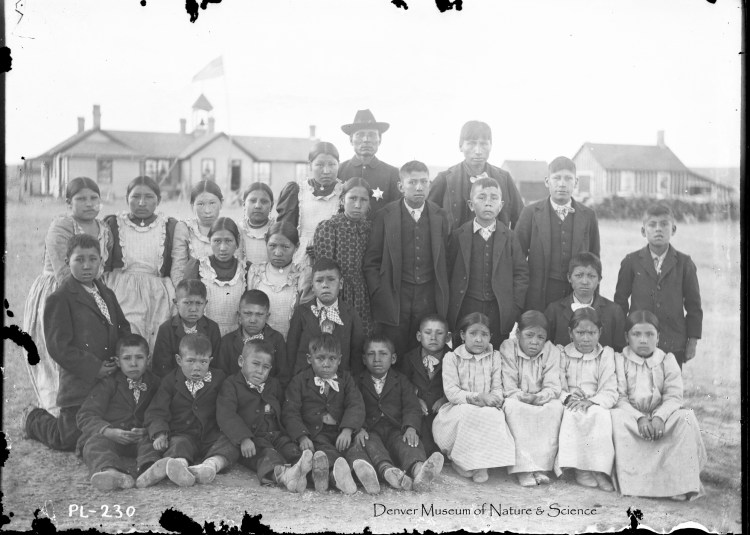
Lakota children from the Rosebud Reservation at the Lower Cut Meat Day School. A police presence is common when children are forcibly removed from parents. Photo Courtesy of the Denver Museum of Nature & Science Catalog Number BR61-282.

We must realize the people whom are fleeing situations in Mexico or Central America are going through the exact experience our ancestors did. Many of the people seeking to cross the border are Indigenous people. They also likely identify with a nation of people who’ve always lived in a specific area.

We must remember that Turtle Island is one land base, running from Alaska clear down to the Panama Canal. The Indigenous people of Turtle Island have lived here since time immemorial. Before the encroachment we traveled all of Turtle Island, trading with other Indigenous nations in many areas

There are countless Lakota and other Indigenous peoples now praying in summer ceremonies. Generations of strong prayers are allowing several tribes to reinter on their homelands the remains of Indigenous children long buried in a Carlisle cemetery. We have to continue making ceremony and strong prayers for all the children of the world to be reunited with their families. The cycle of trauma we’ve all become accustomed to has to stop with us.


Did you like this post? Consider making a donation to help maintain this website. Wopila!